
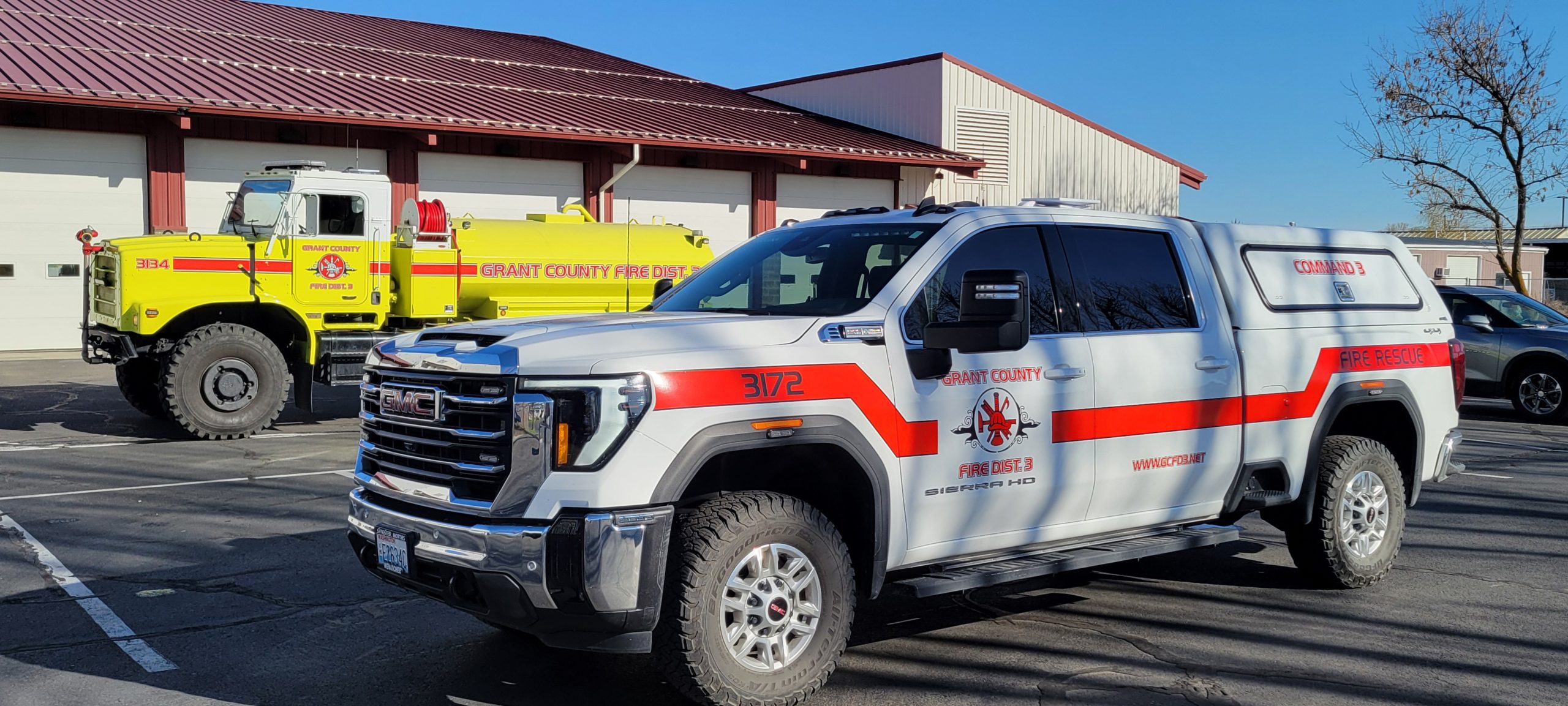
Emergency vehicles have become mobile extensions of the communications center.
Whether responding to a wildfire, hurricane, mass-casualty incident, search-and-rescue mission, or routine emergency call, modern response vehicles carry far more than radios. They support the applications, data, personnel, and decision-making processes that keep an incident moving.
Battalion Chief vehicles, EMS supervisor units, mobile command vehicles, hazardous materials teams, emergency management trucks, and public works response fleets routinely require access to cloud applications, dispatch information, mapping, video, reporting platforms, and real-time operational data.
The challenge is that these vehicles rarely remain within one predictable coverage area. They move between urban streets, rural roads, mountain passes, coastal communities, temporary staging areas, and jurisdictions outside their normal service territory.
Fleet connectivity is no longer simply about providing Wi-Fi inside a vehicle. It is about keeping critical applications available as network conditions change throughout the response.
What public safety vehicles need to keep online
Emergency response workflows are increasingly data-driven. Even a brief loss of connectivity can interrupt access to information responders use to coordinate resources, document patient care, understand changing conditions, or communicate with the Emergency Operations Center.
As these tools become standard, county and state agencies need a fleet communications strategy that reaches beyond a single cellular carrier or one type of network.
Where cellular-only fleet connectivity can fall short
Cellular networks remain an important part of public safety communications, but conditions can change rapidly as a vehicle travels. Terrain, distance, network congestion, infrastructure damage, and the availability of a specific carrier can all affect performance.
Rural jurisdictions
Large counties may include mountains, forests, deserts, agricultural areas, and isolated communities where coverage varies significantly from one mile to the next.
Disaster response
Wildfires, hurricanes, floods, earthquakes, and severe storms can damage terrestrial infrastructure or disrupt the networks normally available to field teams.
Major incidents and events
Large gatherings, evacuations, planned events, and regional emergencies can increase network demand at the same time public safety teams need more data.
Mutual-aid deployments
Vehicles responding outside their home jurisdiction may enter areas where their normal carrier does not deliver the same coverage or performance.
CISA emphasizes the importance of resilient emergency communications and incorporating redundancies into communications planning. Agencies can review CISA’s emergency communications resiliency guidance when evaluating how multiple communications paths support continuity.
Why agencies are evaluating Starlink for emergency response fleets
Starlink provides broadband connectivity through a constellation of Low Earth Orbit satellites. For public safety fleets, this creates an additional communications path that does not depend on the same local towers, cables, or terrestrial infrastructure as a cellular connection.
When properly integrated into the vehicle, a low-profile Starlink terminal can support connectivity for authorized onboard devices and applications while the unit is deployed in rural areas, temporary command locations, or communities affected by an infrastructure outage.
Potential fleet advantages
The appropriate configuration depends on the vehicle, operating environment, service plan, installation requirements, and agency network policies.
Learn more about managed Starlink connectivity from IP Access International and how Starlink can support vehicles, temporary deployments, emergency response, and operations beyond traditional network coverage.
Which county and state emergency vehicles can benefit?
Resilient broadband can support both specialized command assets and everyday response vehicles. The right deployment model depends on the role of each vehicle, the applications it carries, and how frequently it operates outside reliable coverage.
Fire and Rescue
- Battalion Chief vehicles
- Division Chief vehicles
- Incident command units
- Wildland strike teams
- Brush and rural response units
Emergency Medical Services
- Ambulances
- EMS supervisor vehicles
- Medical strike teams
- Mass-casualty response units
- Community paramedicine fleets
Emergency Management
- Mobile command vehicles
- Damage assessment teams
- Recovery coordination units
- Communications support vehicles
- Continuity-of-operations assets
Additional Response Fleets
- Law enforcement command vehicles
- Search-and-rescue teams
- Public works response vehicles
- Utility restoration crews
- Statewide mutual-aid assets
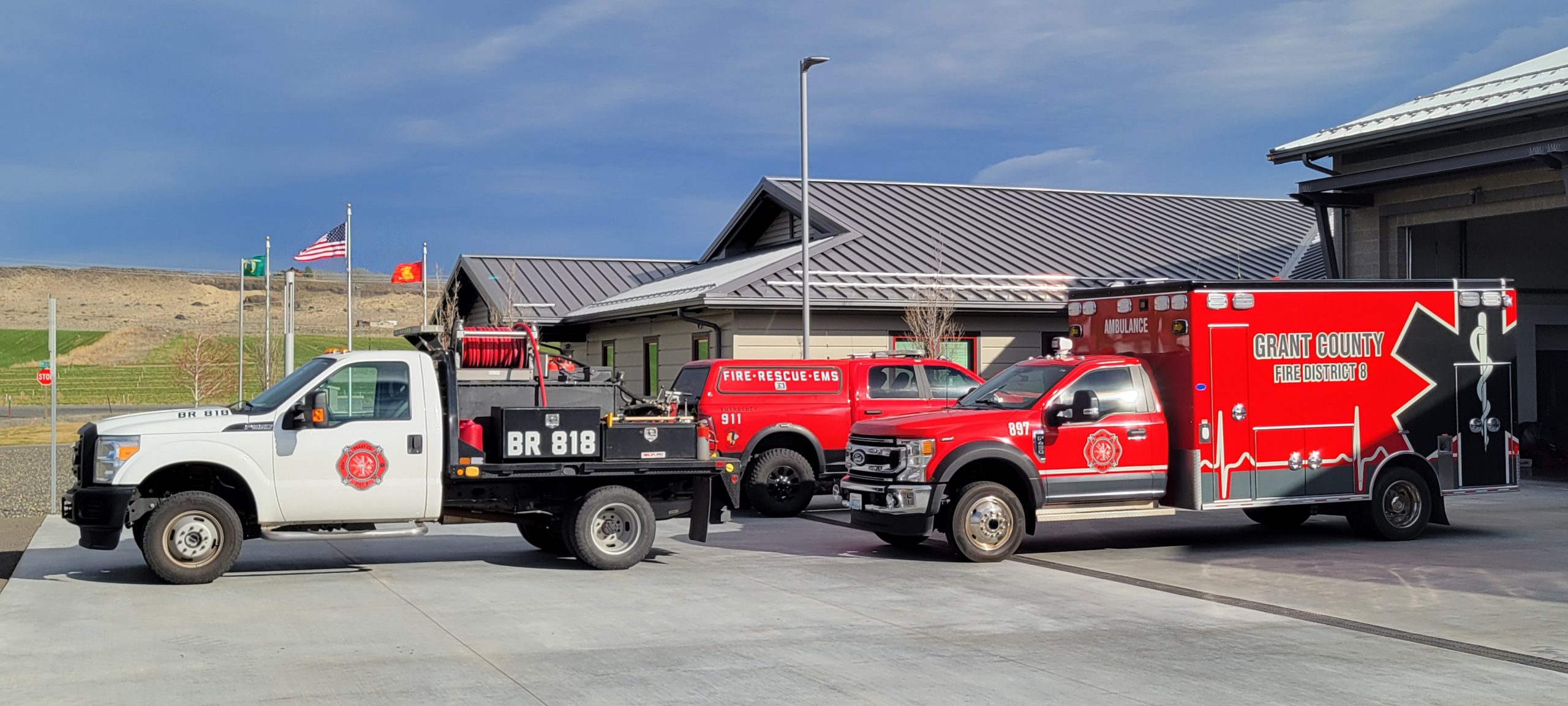
Starlink does not have to replace cellular connectivity.
One of the most common questions agencies ask is whether Starlink should replace an existing LTE or 5G connection. For many emergency response fleets, the stronger strategy is to make multiple available networks part of the connectivity environment.
Cellular connectivity may perform well in one area while Starlink provides an important additional path in another. A properly designed system can account for changing network quality, vehicle movement, application requirements, and agency security policies.
IP Access International’s SuperGIG™ managed connectivity platform brings LEO satellite, LTE, 5G, and other available networks into one operational environment for mission-critical users.
The difference between purchasing Starlink and deploying it across a fleet
Ordering a Starlink terminal is only one step in a public safety fleet deployment. County and state agencies also need to determine how the equipment will be installed, powered, secured, managed, monitored, and supported over the life of the program.
Starlink connectivity built around public safety operations
IP Access International is an Authorized Starlink Reseller with more than 27 years of experience supporting mission-critical communications.
Rather than treating Starlink as a standalone piece of hardware, our team helps agencies evaluate how satellite connectivity fits into the larger fleet communications environment.
Support can include:
Explore our public safety connectivity solutions to see how IP Access supports response vehicles, communications centers, mobile operations, emergency management, and critical incident coordination.
Questions agencies should answer before outfitting a fleet
A successful deployment begins with the operational need—not the hardware. Before selecting equipment or service plans, agencies should document how vehicles operate and what must remain available during a loss of normal connectivity.
Which vehicles are highest priority?
Identify command, supervisor, ambulance, communications, and specialty vehicles that require the greatest level of connectivity.
Which applications are mission-critical?
Separate essential applications from general internet use and estimate the bandwidth each operational workflow requires.
Where do coverage gaps occur?
Review rural routes, mountain areas, mutual-aid regions, wildfire zones, evacuation corridors, and known cellular dead zones.
How will the fleet be supported?
Establish responsibility for installation, service activation, troubleshooting, monitoring, hardware replacement, and ongoing management.
Fleet connectivity is becoming part of emergency communications planning.
CAD platforms, mapping tools, real-time video, drones, telemedicine, cloud-based records, and emerging AI-assisted applications are increasing the amount of data moving between response vehicles and communications centers.
Starlink gives county and state agencies another way to extend broadband connectivity into areas where terrestrial and cellular networks may be limited, congested, damaged, or unavailable.
The greatest value comes when that connection is incorporated into a thoughtful fleet strategy—one that accounts for the vehicle, available networks, critical applications, installation, service management, and ongoing technical support.
Whether an agency is connecting one Battalion Chief vehicle or planning a statewide emergency communications fleet, the goal remains the same: keep essential applications and operational information available wherever the mission takes responders.