
Voice Communications
Support radio interoperability, dispatch coordination, push-to-talk and IP-connected voice without replacing the radio systems personnel already know.
Modern first responder communications depend on more than radio coverage. Police, fire, EMS, emergency management and 9-1-1 teams need reliable access to voice, CAD, AVL, mapping, video, cloud applications and incident data wherever operations take them.
IP Access International connects public-safety vehicles, field teams, command units and emergency operations using managed terrestrial and space-based networks—while helping agencies preserve and extend the communications investments they already rely on.
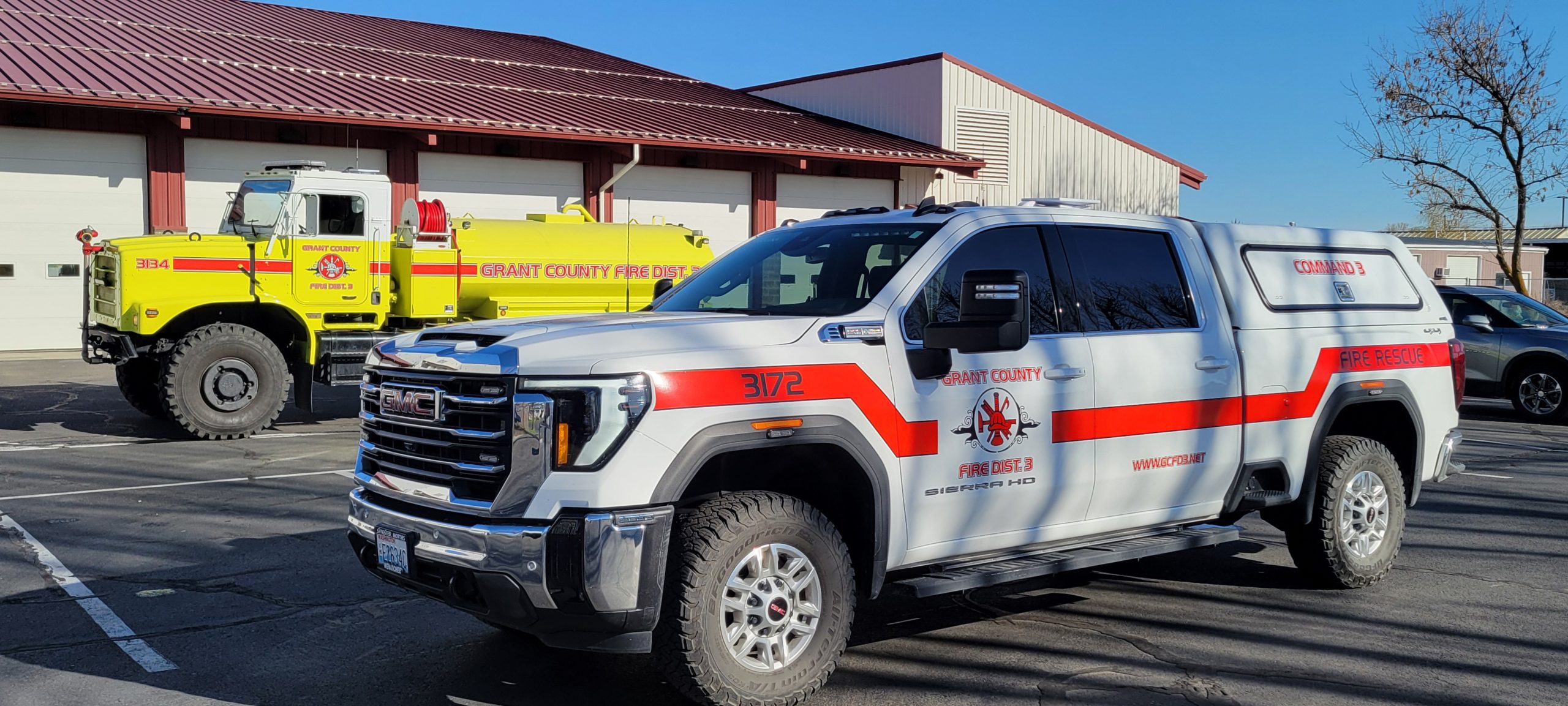
First responder communications are the voice, data and technology systems that help public-safety personnel receive information, coordinate resources and communicate during routine operations, major incidents and disasters.
Land mobile radio remains essential, but the modern communications environment also includes broadband connectivity for computer-aided dispatch, automatic vehicle location, mapping, records access, video, telemetry, telemedicine, messaging and cloud-based applications. Each tool is only as useful as the network connection supporting it.
IP connectivity can augment existing LMR systems and help teams communicate from locations where conventional radio coverage is limited or unavailable.
Public-safety communications now move through several systems at once. The goal is not to force every operation onto one network. It is to create a resilient communications environment that keeps critical applications available as conditions change.
Support radio interoperability, dispatch coordination, push-to-talk and IP-connected voice without replacing the radio systems personnel already know.
Maintain access to CAD, AVL, GIS mapping, records, incident plans, email and cloud applications in vehicles and at the incident scene.
Provide the bandwidth needed for live video, drones, body-worn systems, cameras and the exchange of field intelligence.
Create a connectivity bubble around vehicles, command posts and temporary locations so authorized teams and devices can get online.
The First Responder Network Authority highlights applications, near-real-time information sharing, location services and deployable resources as important parts of modern public-safety broadband communications.
Every discipline uses connectivity differently, but they share the same requirement: communications must continue beyond headquarters and outside predictable coverage areas.
Explore public safety connectivity solutionsKeep patrol vehicles connected to CAD, records, mapping, cameras and agency applications across wide service areas.
Support apparatus, battalion vehicles, incident command and remote operations with reliable access to operational information.
Connect ambulances and response teams for dispatch, routing, patient-care applications, video and telemedicine workflows.
Establish communications for EOCs, mobile command units, shelters, staging areas and temporary incident sites.
A reliably connected police car, fire apparatus, ambulance or command vehicle can become a mobile extension of agency operations. It can support applications inside the vehicle, create Wi-Fi nearby and provide an IP path for compatible communications equipment.
Instead of treating vehicle connectivity as an accessory, agencies can build a scalable platform that supports current requirements and future applications.
Explore Mobile Connectivity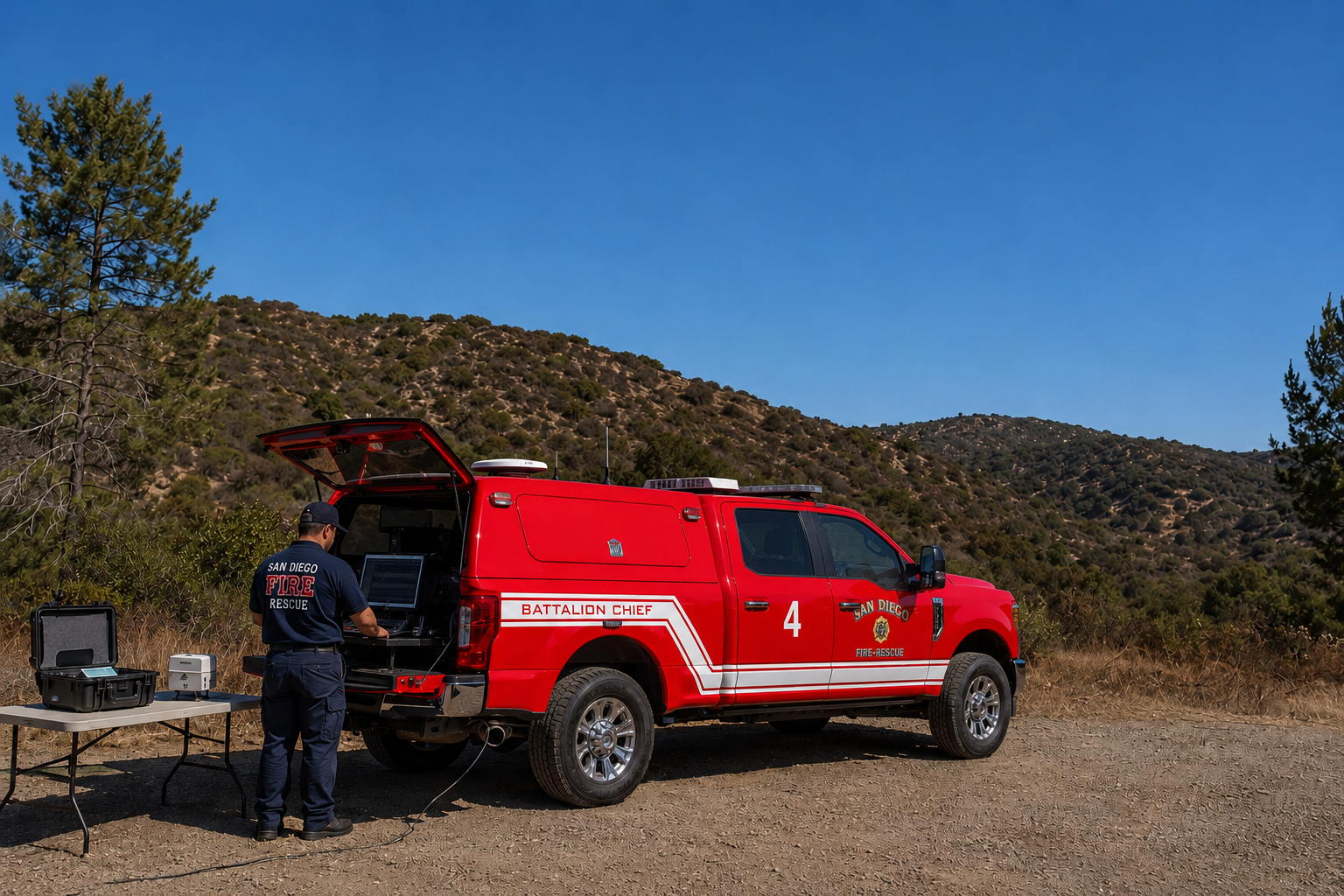
Wildfires, storms, planned events, mutual-aid responses and remote incidents can move operations beyond normal infrastructure. Portable and vehicle-based systems can establish an internet connection and local Wi-Fi coverage without waiting for a fixed circuit to be installed.
IP Access designs deployable communications around the mission, available power, required applications, expected users and the networks likely to perform at the location.
View quick-deployment solutionsNo single network performs best in every location or during every incident. A resilient design can combine multiple available paths and use real-time network conditions to support the connection.
Use multiple nationwide cellular carriers to broaden coverage options and reduce dependence on a single commercial network.
Add low Earth orbit satellite connectivity for remote areas, terrestrial outages, congested environments and wide-area operations.
Integrate available Ethernet, Wi-Fi or private wireless paths when the deployment and agency architecture call for them.
SuperGIG™ is the managed network that brings selected terrestrial and LEO satellite connections into one integrated platform. Quality-based Smart Blending Technology evaluates available paths in real time to help operational traffic use the connections that are performing.
Agencies work with one experienced provider for system design, hardware, activation, installation, network management and 24/7/365 U.S.-based support.
Explore SuperGIG™The right first responder communication system begins with the operational problem—not a specific piece of hardware. Before selecting equipment or service, identify:
IP Access works with agencies to translate those operational requirements into a manageable communications design—without assuming that every department or deployment needs the same configuration.
Communications for first responders include the voice, data and technology systems used by police, fire, EMS, emergency management and 9-1-1 personnel. These systems can include land mobile radio, broadband internet, CAD, AVL, mapping, video, messaging, satellite connectivity and rapidly deployable communications.
Broadband connectivity supports operational applications that cannot run over traditional voice radio alone, including CAD, mapping, records systems, video, cloud applications, file sharing and telemedicine. Reliable broadband also creates an IP path that can support compatible radio-extension and interoperability solutions.
Yes. LEO satellite can support broadband applications at remote incidents, during terrestrial disruptions and across wide service areas. The right hardware, service plan, installation and network management depend on whether the system will be used in a vehicle, at a fixed site or as a portable deployment.
No. IP connectivity can augment an agency's existing radio system and extend access in certain environments. The objective is to preserve trusted communications investments while adding new paths and capabilities where operationally appropriate.
A managed multi-network platform can use selected cellular, LEO satellite and other available connections to support applications as the vehicle moves. This reduces dependence on one carrier or one type of infrastructure.
Connectivity provides the network path that transports information. Interoperability allows different systems, devices or agencies to exchange information effectively. Reliable IP connectivity can support interoperability, but the complete design must account for the radios, gateways, applications, policies and operational requirements involved.
For additional context on the transition toward IP-based public-safety systems, see the National 911 Program's overview of Next Generation 911.
Tell us what your teams need to run, where coverage becomes difficult and how the system will be deployed. IP Access will help you evaluate the right combination of networks, equipment and managed support.