Coverage gaps
Cellular networks do not reach every rural road, canyon, fire line, remote worksite, or area located outside established coverage zones.
IP Access helps public safety, EMS, utilities, transportation, and enterprise fleets maintain reliable communications across changing routes, coverage conditions, and operational environments.
We combine satellite, LTE, 5G, private wireless, and intelligent SD-WAN technologies to create a more resilient connectivity solution for vehicles, teams, devices, and mission-critical applications.
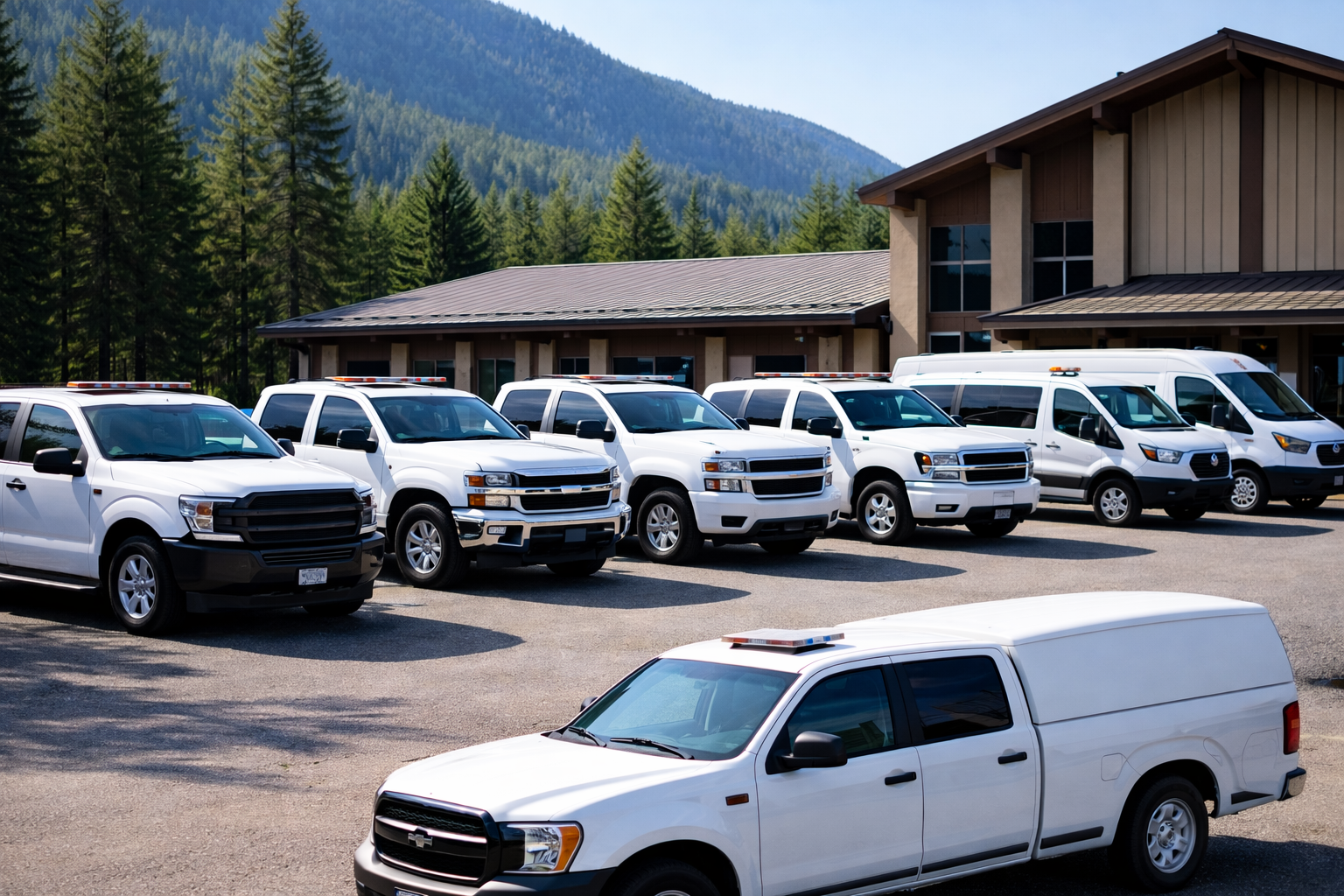
Most disruptions are not caused by one isolated issue. They happen when coverage gaps, network congestion, hardware limitations, and growing application demands begin affecting the vehicle at the same time.
Cellular networks do not reach every rural road, canyon, fire line, remote worksite, or area located outside established coverage zones.
During major incidents, public events, or disasters, even networks with strong signal levels can become overloaded and difficult to use.
Relying on one carrier or connection can leave vehicles disconnected whenever that network becomes weak, crowded, damaged, or unavailable.
CAD, AVL, video, telematics, mapping, cloud platforms, and other operational tools all compete for bandwidth inside the vehicle.
Reliable fleet connectivity is not built around one carrier or one technology. IP Access combines cellular, LEO satellite, private wireless, and intelligent SD-WAN to help vehicles stay connected across changing routes, environments, and network conditions.
Provides primary broadband connectivity across most roadways, communities, and established operating areas.
Multi-carrier connectivityExtends broadband connectivity into rural, remote, and hard-to-reach areas where terrestrial coverage may be limited or unavailable.
Starlink and Eutelsat OneWebCreates dedicated coverage for campuses, facilities, incident scenes, temporary operating areas, and remote field environments.
Dedicated operational coverageEvaluates available communication paths and directs traffic based on real-time network quality, performance, and application requirements.
One managed connectivity experienceThese technologies work together to create a more resilient connectivity environment around the vehicle, its devices, its applications, and the teams operating nearby.
IP Access International is not locked into one router, satellite terminal, carrier, or equipment ecosystem.
We evaluate your fleet, operating environment, applications, coverage requirements, and deployment goals before recommending the technologies that make the most sense.
That gives your organization greater flexibility to combine proven hardware, networks, and connectivity platforms without forcing every vehicle into the same configuration.
Hardware and network options can be selected based on the needs of each deployment.

One solution may use a single platform. Another may combine multiple cellular carriers, LEO satellite, private wireless, and SD-WAN.
See how agencies use blended connectivity to support vehicles, crews, applications, and communications across daily operations, remote terrain, and large-scale incidents.
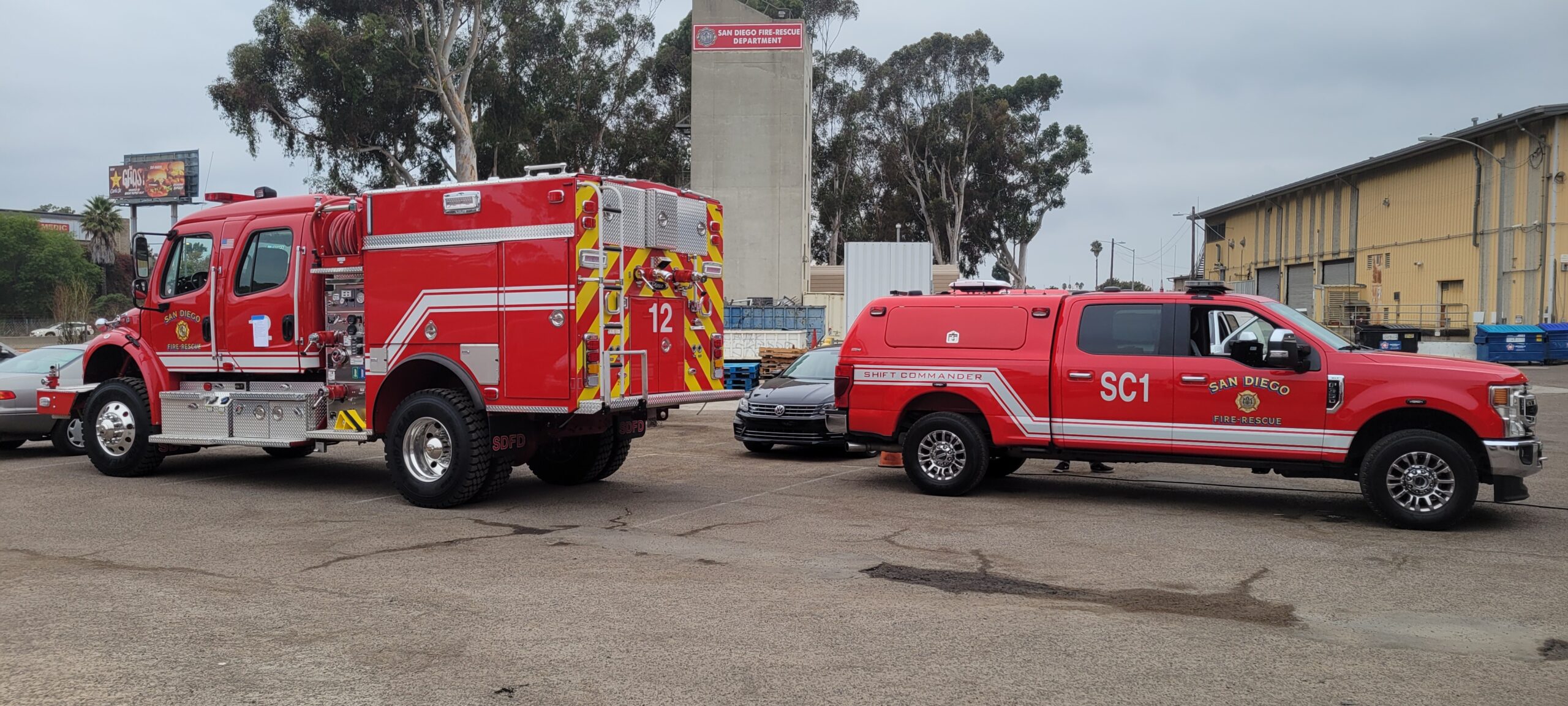
Mobile Response
Supporting connected emergency response vehicles with resilient communications, mobile data access, and fleet connectivity designed for daily operations and large-scale incidents.
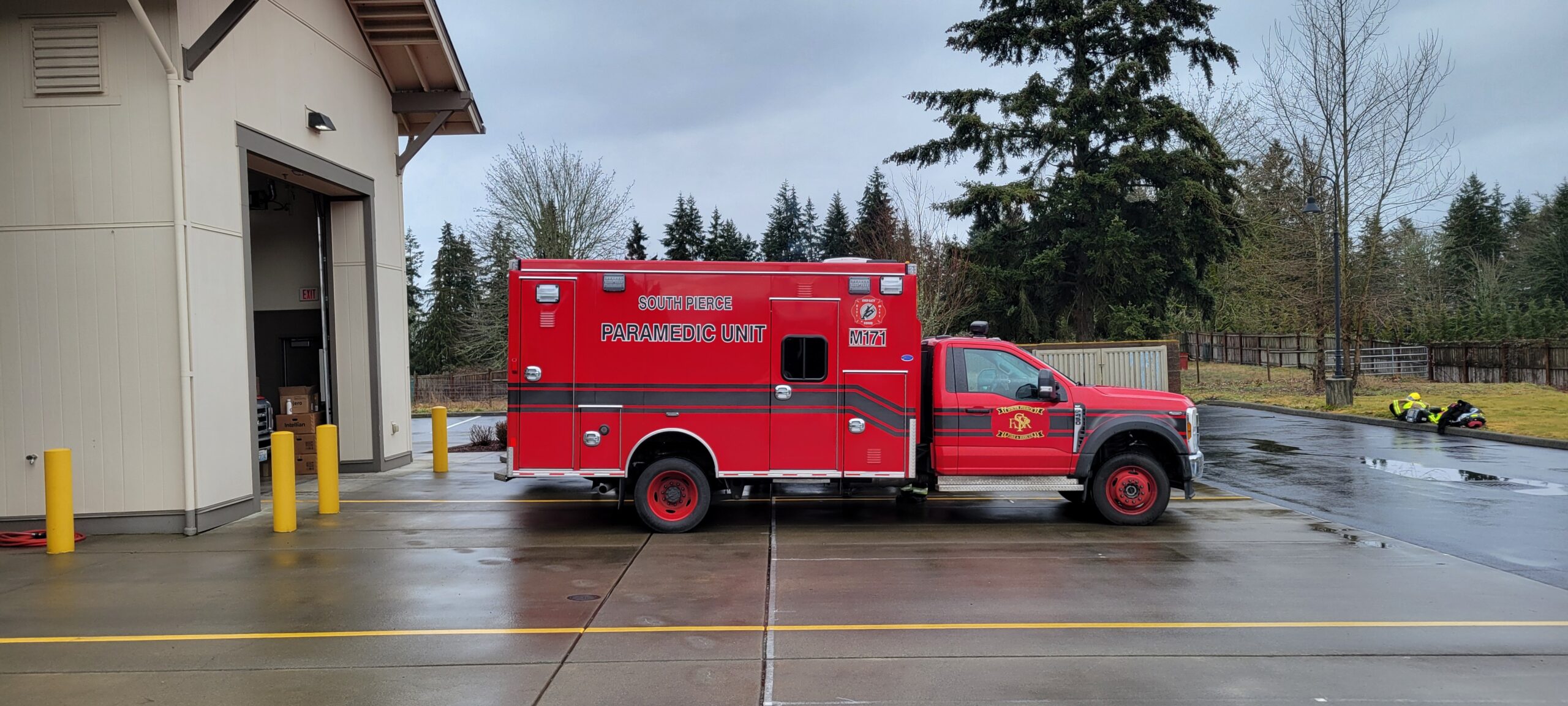
Connected Apparatus
Extending communications beyond traditional coverage areas to support emergency response vehicles, connected applications, and field teams operating across the district.
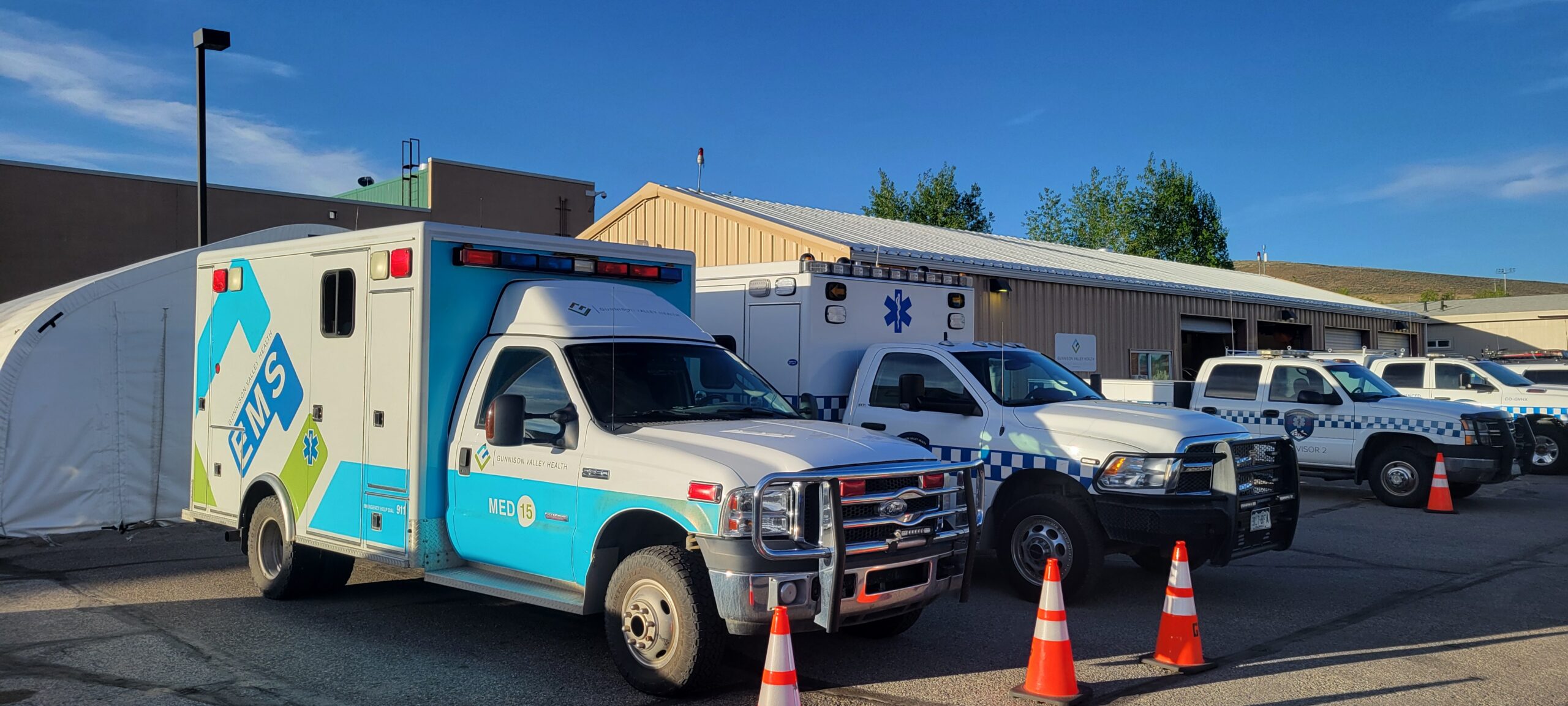
Remote Terrain
Supporting ambulance communications through remote mountain terrain where traditional cellular coverage can be limited, inconsistent, or unavailable.
Every fleet environment is different. The right connectivity strategy begins with understanding where vehicles operate, which applications they depend on, and what happens when a network becomes unavailable.
Discuss Your Fleet EnvironmentFrom public safety vehicles and ambulances to utility trucks and mobile command centers, every fleet depends on a different mix of applications, communications, coverage, and field workflows.
Support connected patrol vehicles and field personnel with access to operational systems, real-time information, and secure communications.
Keep ambulance crews connected to patient information, hospitals, dispatch centers, and critical healthcare applications while in motion.
Extend reliable connectivity to apparatus, command vehicles, incident scenes, and teams operating beyond traditional coverage areas.
Help field crews remain connected to work orders, infrastructure information, communications, and operational systems in remote areas.
IP Access evaluates the vehicle, applications, operating environment, coverage conditions, and communications requirements before designing the connectivity solution.
Fleets move through cities, rural roads, disaster zones, job sites, mountain passes, and areas where traditional networks struggle. IP Access helps extend connectivity using the best available communication paths for the mission.
One managed strategy designed around the routes, applications, and operating environments your vehicles encounter.
These are the questions fleet managers, IT teams, public safety agencies, and field operations leaders often ask when evaluating reliable vehicle internet and mobile connectivity.
Fleet vehicles typically use cellular routers, LTE and 5G networks, LEO satellite terminals, private wireless, or blended connectivity solutions that combine multiple communication paths.
When cellular coverage becomes weak, congested, or unavailable, fleets can use LEO satellite, private wireless, or other available networks to help maintain access to critical applications and communications.
The right solution depends on the mission, coverage area, vehicle type, applications, data requirements, and operating environment. Many emergency response fleets benefit from a combination of cellular, LEO satellite, and intelligent SD-WAN.
Public safety vehicles often rely on mobile routers, multiple cellular carriers, satellite connectivity, and managed network services to support CAD, AVL, mapping, video, reporting, patient care systems, and field communications.
Yes. IP Access International is hardware agnostic. We can evaluate your existing routers, terminals, carriers, antennas, and vehicle configurations before recommending where equipment can remain in place and where changes may improve performance.
Yes. Cellular and LEO satellite connections can be integrated into one managed vehicle solution. Intelligent network technology can evaluate the available paths and use them based on performance, network quality, and application requirements.
Whether you support public safety, EMS, fire, utilities, transportation, or enterprise operations, IP Access can help design a connectivity strategy around your vehicles, coverage requirements, applications, and operational goals.
One provider, one support number, and a solution designed around the way your fleet actually operates.