
IP Access Insight
Hurricane Preparedness Starts With Communications Resilience
One critical infrastructure operator looked beyond traditional backup connectivity to prepare its teams, facilities, and field operations for hurricane-related disruption.
How can an organization maintain communications before, during, and after a hurricane without depending on one network?
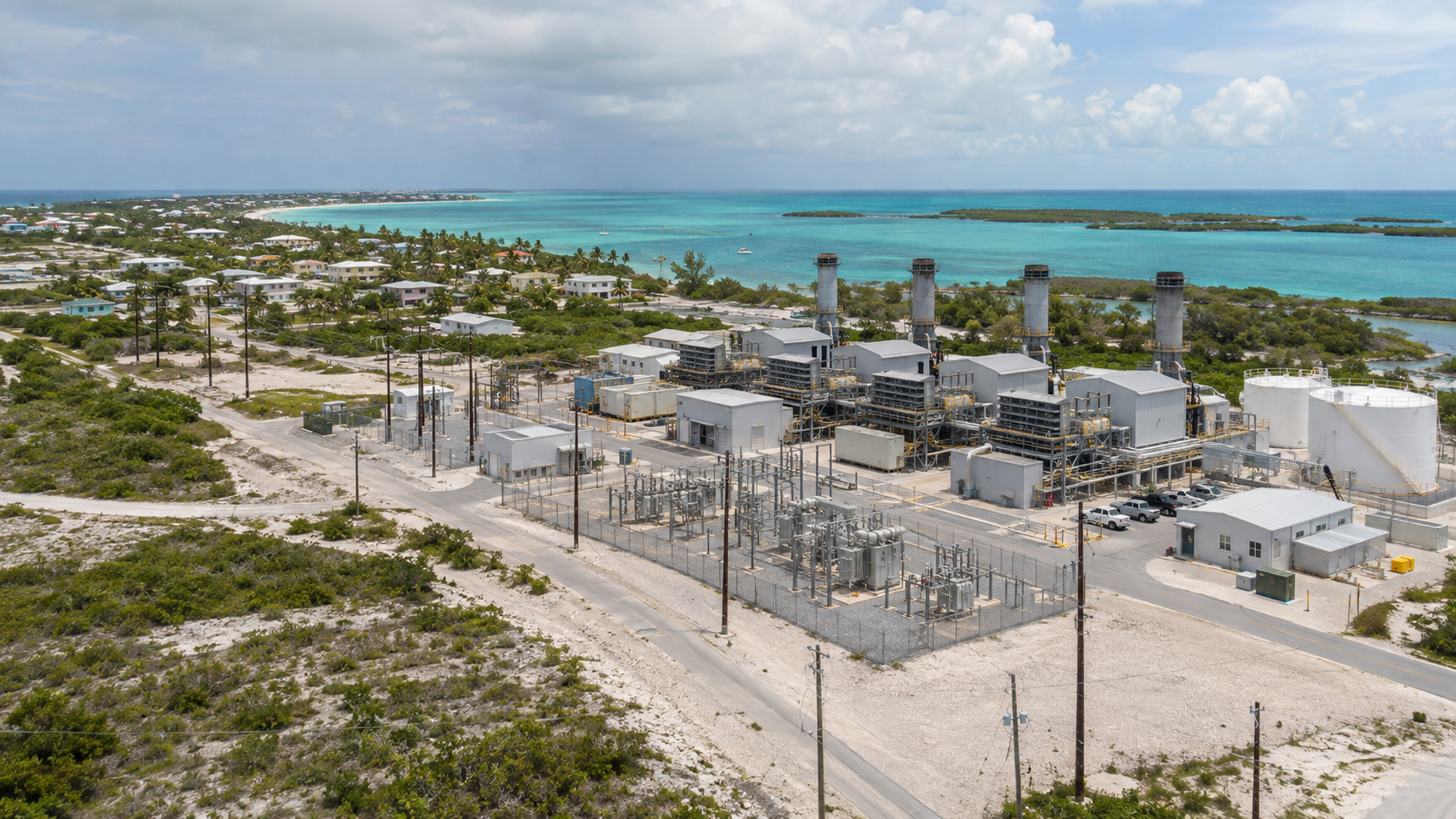
Hurricane preparation often focuses on facilities, equipment, fuel, and staffing. Yet every part of an emergency plan also depends on reliable communications.
When severe weather damages terrestrial infrastructure, an organization may lose more than internet access. Teams can also lose access to cloud applications, operational systems, email, voice communications, and the information needed to coordinate a response.
For one energy operator, that risk created a clear objective: strengthen communications before hurricane season and reduce dependence on any single network.
The resulting deployment used two independent Low Earth Orbit satellite networks, portable field systems, and a fully managed implementation. Together, these elements created a more flexible foundation for business continuity and storm response.
Customer-identifying details have been intentionally omitted. This insight is based on a real IP Access International deployment for an energy and critical infrastructure operator.
The operational challenge
The Risk of a Single Connectivity Path
Fiber and other terrestrial networks can provide strong everyday performance. However, they may share the same physical vulnerabilities.
Flooding, commercial power loss, damaged infrastructure, and regional outages can affect several services at once. Even a secondary circuit may provide limited protection when it follows the same route or depends on the same local infrastructure.
The energy operator needed a resilient approach that could support:
- Corporate and field operations
- Business continuity planning
- Emergency coordination
- Remote teams and facilities
- Communications before and after a major storm
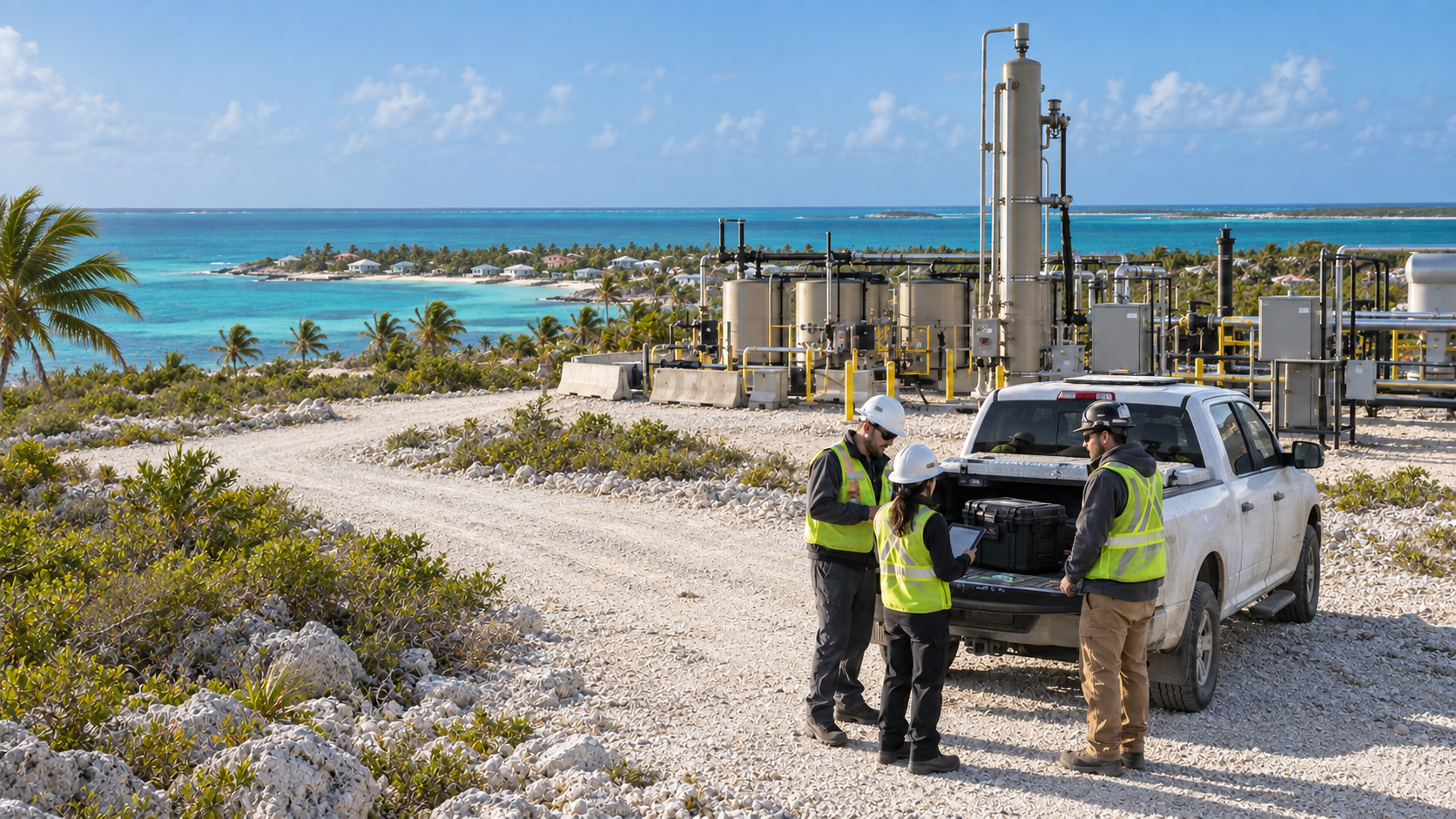
The objective was not simply to add another connection. It was to reduce dependence on one provider, route, or network.
A second connection is only truly diverse when it does not depend on the same infrastructure as the first.
The connectivity strategy
Building Resilience With Two LEO Networks
IP Access International designed a blended LEO solution using Starlink and Eutelsat OneWeb. The two satellite paths were integrated through a single managed system.
Starlink Connectivity
Starlink provided one space-based broadband path that did not depend on the operator’s local terrestrial infrastructure.
Eutelsat OneWeb Connectivity
Eutelsat OneWeb added a second independent LEO path, creating another layer of network diversity.
One Integrated Connection
The IP Access Blender Box combined both satellite paths into one secure connection for simpler operations and management.
Network diversity
Why Two Satellite Networks Matter
Adding satellite service can strengthen hurricane readiness. Yet an organization that uses only one satellite service may still depend on one network.
A dual-LEO strategy adds another layer of diversity. Starlink and Eutelsat OneWeb operate as separate networks with different infrastructure and service characteristics.
By integrating both services, the energy operator gained multiple space-based communication paths through one managed solution. The organization did not need to treat each satellite network as a separate standalone system.
This approach can help support continuity when local terrestrial services are unavailable, congested, or damaged.
Learn more about how SuperGIG™ integrates multiple connectivity paths into one managed network.
Portable Go Case configurations can provide up to 24 hours of power and communications, depending on operating conditions.
Mobile operations
Extending Connectivity Into the Field
Fixed locations were only part of the requirement. The organization also needed a way to establish communications wherever response teams were working.
IP Access supplied portable satellite Go Cases that could be deployed in the field. These systems combined transportable connectivity with extended power for locations where commercial power or local internet service might be unavailable.
Teams could establish connectivity at a temporary worksite, remote facility, staging area, or another location supporting storm response and recovery.
Deployment readiness
More Than Hardware in a Case
Emergency technology must be ready before the emergency begins. IP Access supported the complete deployment so the equipment could be configured, tested, and prepared for real operating conditions.
Design
Network planning based on the operator’s locations, risks, and operational requirements.
Staging
Equipment preparation and configuration before the systems reached the customer.
Installation
Professional deployment and integration of the selected connectivity systems.
Validation
Testing to confirm that equipment and connectivity paths operated as intended.
Readiness
Support that helped prepare the organization to deploy the systems when needed.
Planning considerations
A Stronger Model for Hurricane Communications
The lesson from this deployment is straightforward: communications resilience requires more than a backup circuit.
The right design may include fiber, cellular, LEO satellite, private wireless, or a combination of networks. What matters is avoiding unnecessary dependence on one path.
- Determine whether primary and secondary services share the same physical infrastructure.
- Plan for a regional loss of terrestrial connectivity, not only an equipment failure at one location.
- Confirm that remote teams can establish communications without local internet service.
- Account for commercial power outages and extended field operations.
- Configure and test equipment before hurricane conditions develop.
- Identify who will support the complete solution during an emergency.
Prepare early
Prepare the Network Before the Forecast Changes
Communications systems should be designed, installed, and tested well before a storm enters the forecast.
For energy providers and other critical infrastructure organizations, the objective is not connectivity for its own sake. It is the ability to keep teams informed, maintain essential operations, and coordinate recovery when normal infrastructure is under pressure.
The federal Ready Business continuity-planning guidance recommends developing and testing a business continuity plan before a disruption occurs. Its crisis communications guidance also identifies communications planning as an important part of organizational preparedness.
IP Access International helps organizations integrate terrestrial and space-based networks into managed connectivity solutions built around real operational requirements.
Start the conversation
Where Is Your Communications Plan Still Vulnerable?
Do not wait for the next storm to reveal a shared network dependency. Talk with IP Access about building a more resilient communications strategy for your facilities and field operations.
Talk to an Expert