
Managed Starlink for Public Safety: What Agencies Need Beyond the Hardware
Starlink has made high-speed LEO satellite connectivity easier to deploy across public safety operations. But once agencies begin adding terminals to vehicles, command units, EOCs and field teams, the challenge becomes much bigger than purchasing hardware.
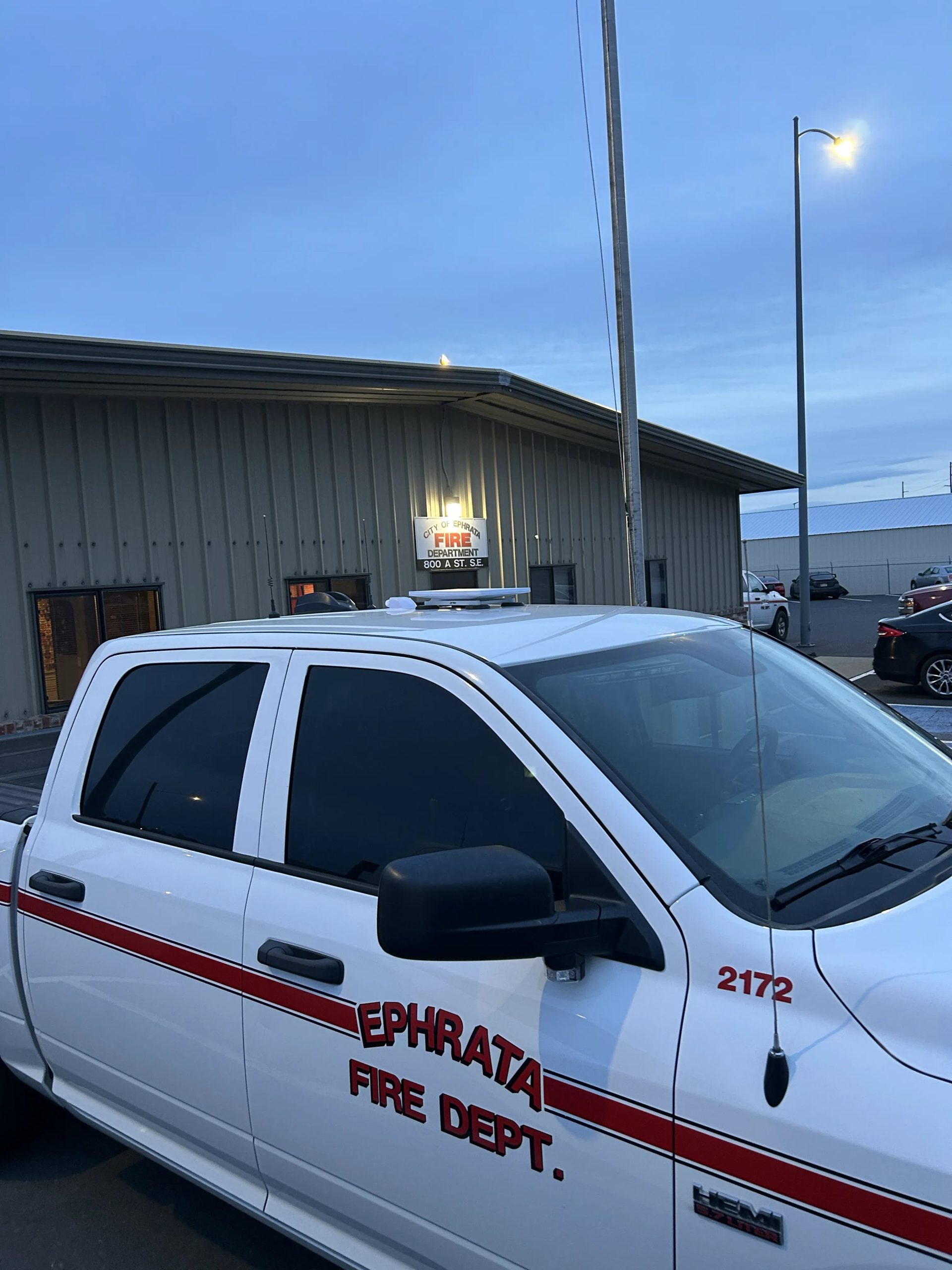
Starlink has changed what satellite connectivity can look like for public safety. Compact hardware, high-speed Low Earth Orbit (LEO) satellite connectivity and increasingly mobile deployment options have made it possible for agencies to bring internet access to places where traditional connectivity may be unavailable, overloaded, damaged or simply out of reach.
For a single terminal, getting started can seem relatively straightforward. But a police department, fire department, EMS agency, emergency management organization or other government agency rarely has just one device to think about.
There may be Starlink terminals installed on mobile command vehicles, carried in portable deployment kits, assigned to Emergency Operations Centers, mounted on response vehicles or staged for disasters and planned events.
As an Authorized Starlink Reseller, IP Access International helps public safety and government agencies move beyond purchasing satellite hardware to building a Starlink deployment that can be managed, supported, installed and integrated into a larger connectivity strategy.
Why Public Safety Agencies Are Adding Starlink
Public safety communications increasingly depend on IP connectivity. CAD and AVL systems, mapping, video, cloud applications, records systems, situational-awareness platforms, VoIP, collaboration tools, cameras and other applications all rely on the ability to move data between the field and the people who need it.
Cellular networks remain an important part of that environment. But no single network reaches everywhere or performs the same way under every condition.
Coverage can change because of geography, network congestion, infrastructure damage, large public events, wildfires, hurricanes, power outages or simply because responders are operating beyond terrestrial coverage.
LEO satellite connectivity gives agencies another available path.
- Police and sheriff vehicles
- Fire apparatus
- Ambulances and EMS vehicles
- Mobile command units
- Emergency Operations Centers
- Incident command posts
- Portable communications kits
- Remote facilities and temporary staging areas
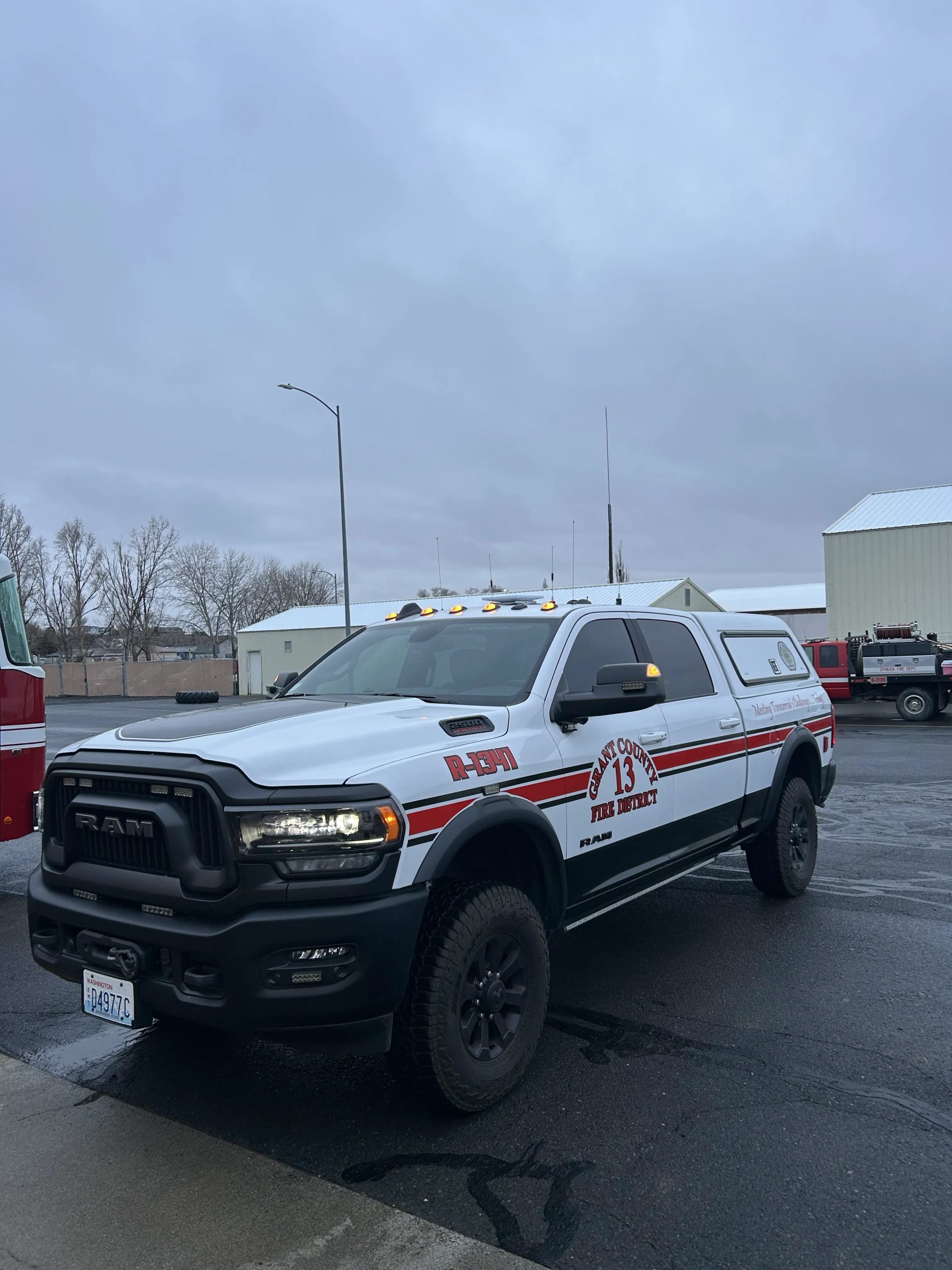
What Is Managed Starlink Service?
Managed Starlink service adds an operational layer between the satellite connection and the agency using it.
Instead of treating every terminal as an isolated internet connection, an experienced provider can help an agency manage the broader deployment.
Starlink Hardware Procurement
Select the appropriate Starlink hardware for the deployment rather than forcing every application into the same configuration.
Service Management
Help agencies establish, activate and manage service across multiple terminals, vehicles, facilities and locations.
Data Planning
Structure service around how the agency actually expects its terminals and connected assets to be used.
Centralized Management
Manage larger deployments without treating every terminal as its own disconnected technology project.
Professional Installation
Integrate Starlink hardware into vehicles, facilities, mobile command units and deployable communications systems.
Network Integration
Connect Starlink with routers, cellular connectivity, Wi-Fi environments and existing communications infrastructure.
Technical Support
Give agencies an experienced support team to call when connectivity becomes operationally critical.
Deployment Planning
Build a strategy that can grow from a handful of Starlink terminals into a larger fleet or agency-wide deployment.
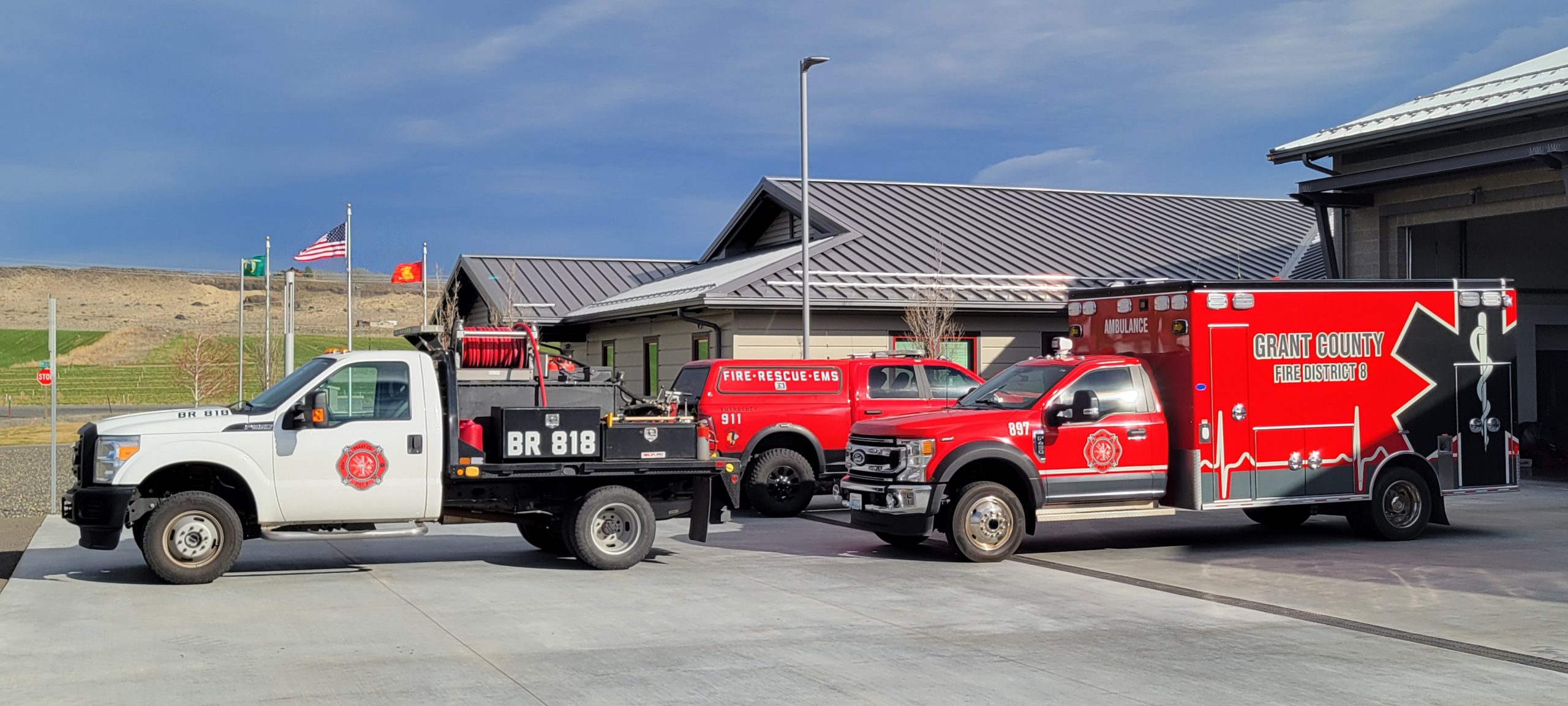
One Starlink Terminal Is Different From Managing an Entire Fleet
Imagine a public safety organization with 25 Starlink terminals. Some may be installed permanently on vehicles. Several might remain at headquarters until an emergency. Others could be assigned to mobile command units or deployable communications kits.
One terminal might use significant amounts of data during an incident while another remains nearly idle for much of the month.
IT teams may need to keep track of terminal assignments, service plans, data consumption, hardware status, activations, troubleshooting, installation, network configuration, billing and support.
Multiply that across dozens or hundreds of connected assets and Starlink becomes an operational program rather than simply another piece of hardware.
A managed approach is designed to simplify that environment.
Why Pooled Starlink Data Matters for Public Safety
One of the biggest questions agencies should ask when evaluating satellite service is what happens when individual assets use dramatically different amounts of data.
Emergency-response connectivity rarely follows a predictable pattern. A mobile command vehicle may use very little satellite data for weeks and then consume significantly more during a major incident. A portable Starlink kit may remain staged until a wildfire, storm, planned event or communications outage requires deployment.
Another terminal may be used every day.
Traditional per-terminal structures do not always align well with that operational reality. Pooling can provide another approach by allowing available data to be managed across a larger group of connected assets.
IP Access also offers managed connectivity options with greater flexibility around how data is allocated and consumed, including annual data structures on select plans.
- Disaster-response assets
- Seasonal operations
- Emergency communications trailers
- Mobile command vehicles
- Portable Starlink deployments
- Mutual-aid deployments
- Special events
- Backup communications systems
The goal is not simply to buy more data. It is to make the connectivity an agency is already paying for work more efficiently across the mission.
Starlink Mini or Starlink Performance?
There is no single Starlink terminal that is automatically right for every public safety deployment. Hardware should be selected around the mission, installation environment, portability needs and expected network usage.
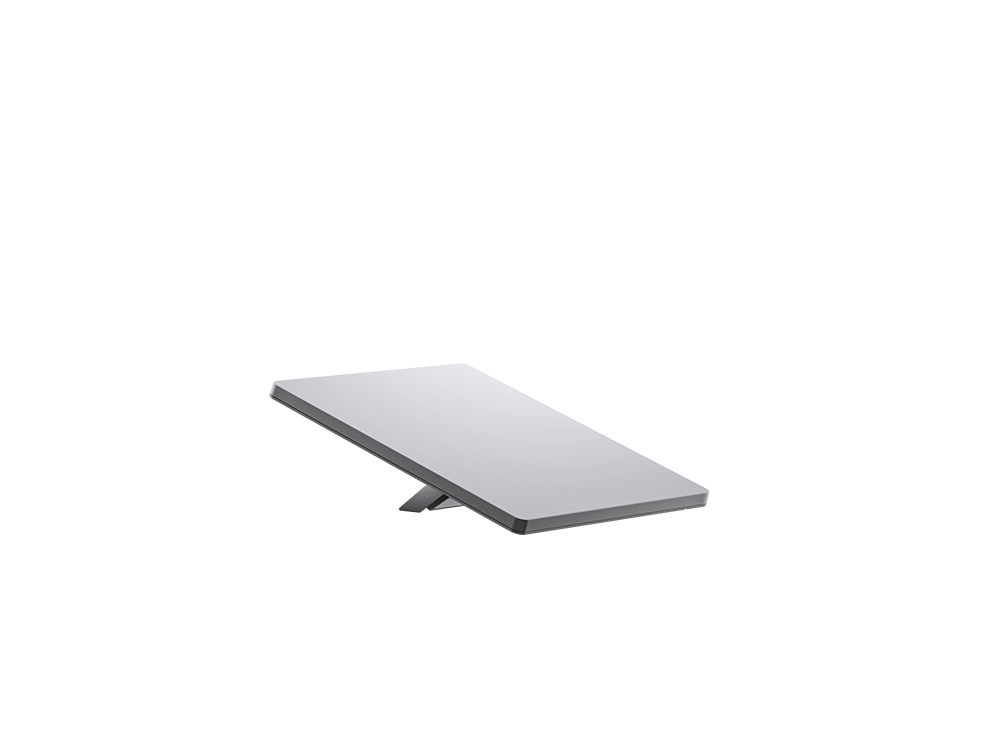
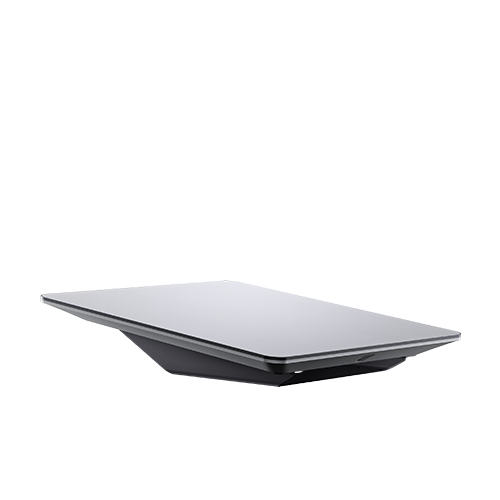
Starlink Mini
Starlink Mini's compact footprint can make it useful for portable and space-conscious deployments.
- Portable response kits
- Rapid-deployment communications
- Temporary command posts
- Smaller vehicles
- Field teams
- Remote operations
Starlink Performance
For more demanding fixed and mobile deployments, Starlink Performance provides another option for mission-critical environments.
- Mobile command vehicles
- Public safety fleets
- Emergency Operations Centers
- Permanent installations
- Higher-demand operational environments
IP Access can help agencies evaluate hardware, service, installation requirements, power, mounting, expected usage and the applications that will run across the connection before determining the appropriate configuration.
Starlink on Public Safety Vehicles
One of the most important applications for LEO satellite connectivity is the connected public safety vehicle.
Police vehicles, ambulances, fire apparatus, command vehicles and other response assets increasingly function as mobile technology platforms.
- CAD
- AVL
- Mapping
- Video
- Records systems
- Cloud applications
- Situational awareness
- Voice communications
- Incident management
- Wi-Fi for personnel and devices
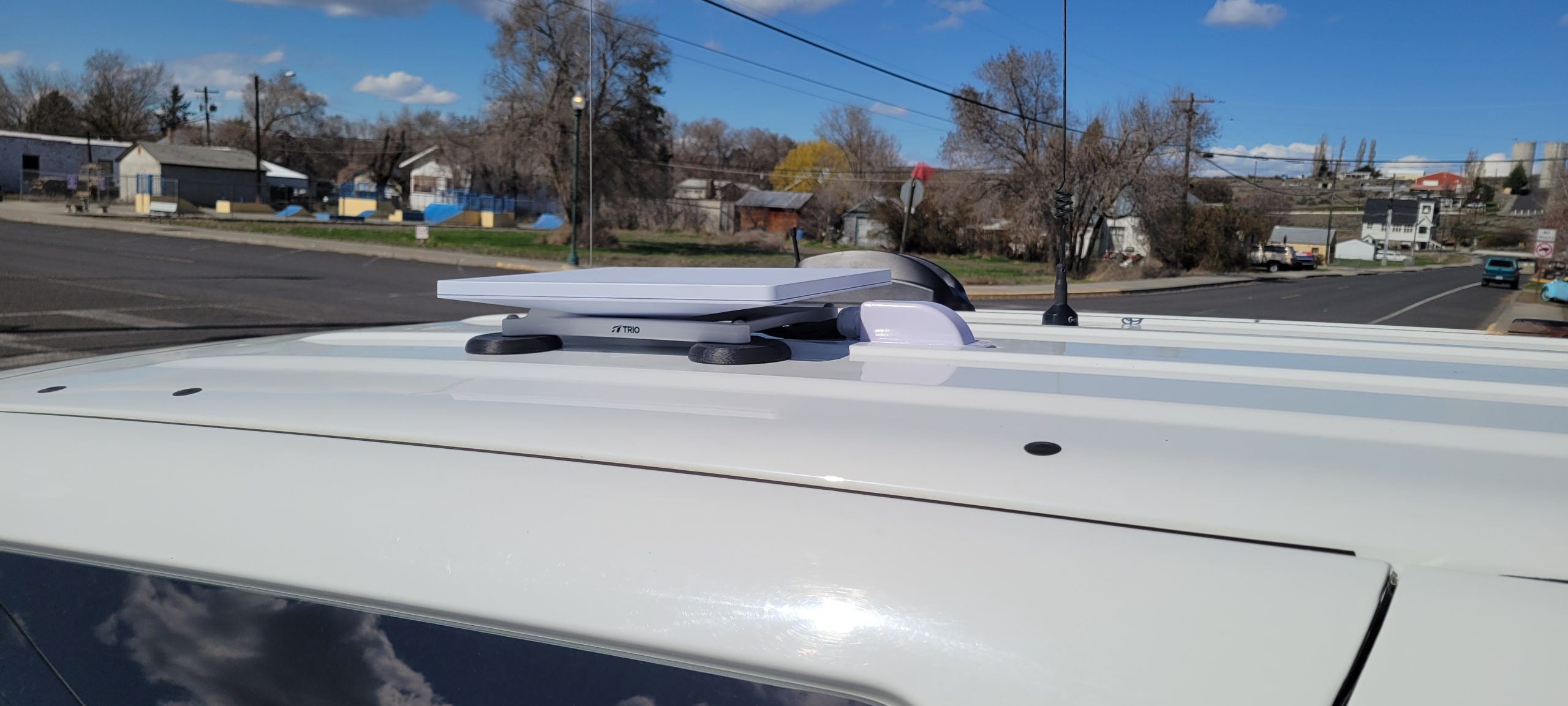
Adding Starlink creates another available connectivity path for those applications. But simply mounting satellite hardware on the roof does not automatically create a resilient connected vehicle.

Starlink Shouldn't Have to Work Alone
Public safety agencies already rely heavily on LTE and 5G networks. Those networks are not going away, and they should not.
Starlink does not need to replace cellular connectivity to be valuable. Instead, satellite can become another available network.
IP Access designed SuperGIG™ around this concept.
SuperGIG brings multiple available connectivity paths into one managed environment, allowing agencies to combine options such as LEO satellite, LTE/5G and other available connectivity rather than forcing operations to depend on a single network.
The system can evaluate network quality and use available connections based on performance.
For the people using the vehicle or command center, the objective is much simpler:
Stay connected.
Why Multiple LEO Networks Matter
Starlink is an important development in satellite communications, but it is not the entire LEO ecosystem.
Public safety organizations should increasingly think about LEO satellite connectivity rather than assuming their long-term communications strategy must depend on one satellite network.
IP Access works with multiple LEO options, including Starlink and Eutelsat OneWeb, giving agencies additional ways to build satellite connectivity around their operational requirements.
Depending on the deployment, satellite connectivity can also be combined with terrestrial networks through SuperGIG™.
Don't ask which single network will always work. Ask how your operation can access the right network when and where it is needed.
Installation Matters More Than It Looks
Public safety vehicle installation is not the same as setting up Starlink at a home or office.
Vehicle deployments may require consideration of roof space, antenna placement, cable routing, power, existing cellular antennas, routers, vehicle electronics, equipment racks, environmental exposure, serviceability and future upgrades.
Poor integration can turn good technology into a difficult system to maintain.
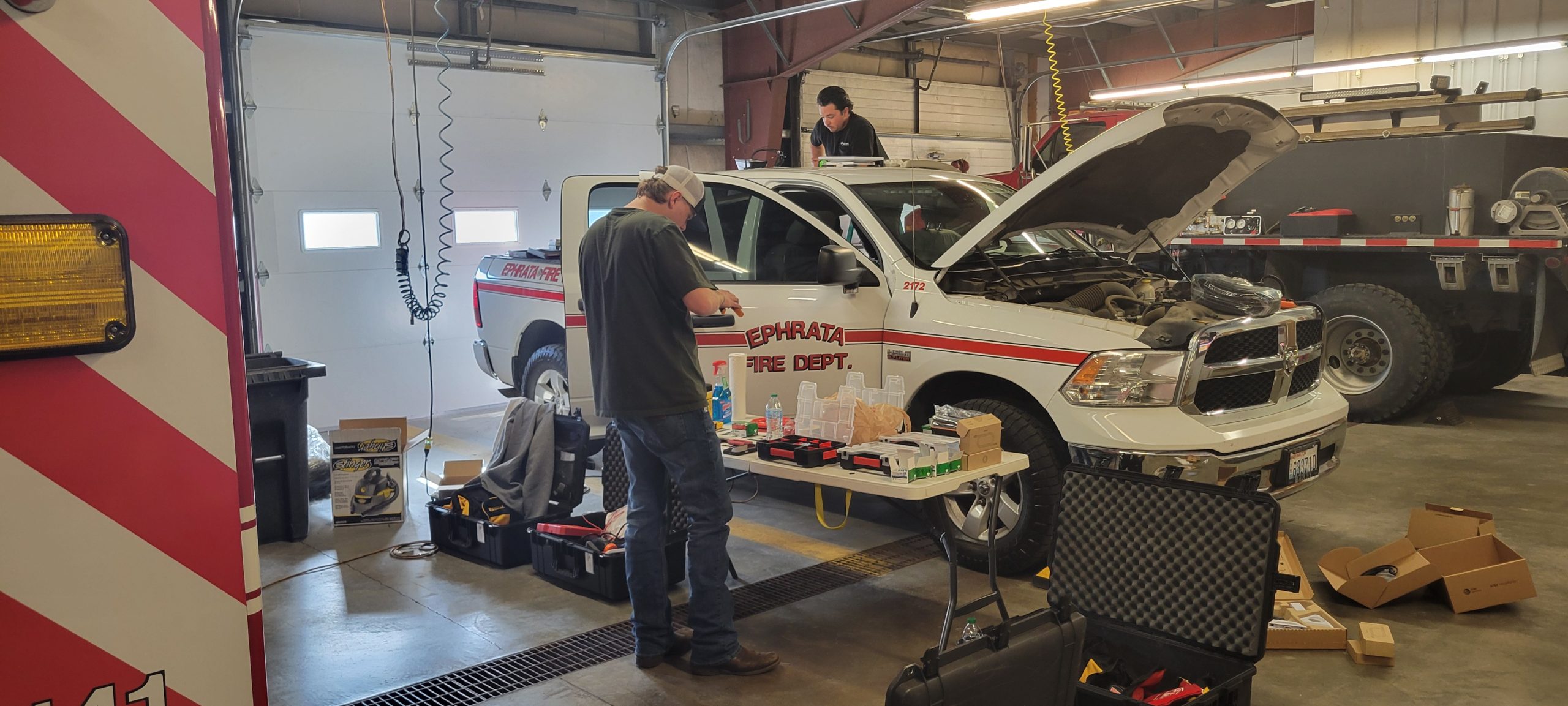
IP Access provides white-glove installation services for public safety and mission-critical deployments, helping agencies integrate connectivity into the vehicle or operating environment rather than simply adding another box.
What Happens When Something Doesn't Work?
This may be the most overlooked question in the entire Starlink purchasing process.
When a terminal is supporting an Emergency Operations Center or command vehicle during an incident, the agency needs to know who to call.
IP Access operates a U.S.-based 24/7/365 Network Operations Center supporting mission-critical connectivity.
That means agencies purchasing managed connectivity through IP Access have a support team that understands more than the Starlink terminal. They understand the larger network environment surrounding it.
When Starlink is integrated with cellular, routers, vehicle networks or other connectivity paths, determining where a problem exists can be just as important as fixing it.
Instead of asking, “Is Starlink down?” the better question may be, “What is happening across the network?”
Questions Agencies Should Ask Before Buying Starlink
How many terminals do we expect to deploy?
One terminal and 100 terminals create very different management requirements.
Where will they be used?
Vehicles, buildings, command posts, portable kits and temporary deployments can require different hardware and configurations.
How much data will each asset realistically consume?
Do not assume every terminal needs the same allocation.
Can data be pooled or managed across our deployment?
Understanding how usage is structured can have a major impact on long-term cost and flexibility.
Who manages the terminals?
Determine who will handle activation, configuration, monitoring, billing, troubleshooting and ongoing administration.
Who installs the hardware?
Vehicle and mission-critical installations should be planned around the complete communications environment.
Who do we call when support is needed?
Support should be part of the architecture, not something considered after a problem occurs.
Does Starlink need to work with cellular or another satellite network?
For many public safety agencies, the answer will eventually be yes.
How will we manage the deployment as it grows?
A solution that works for five terminals should not become unmanageable at 50.
Are government purchasing vehicles already available?
Agencies may be able to simplify procurement through existing statewide or cooperative contracts.
There is a difference between purchasing Starlink and building a connectivity strategy.
Buying Starlink vs. Building a Connectivity Strategy
Starlink has made satellite connectivity more accessible. That is a significant advancement for public safety.
But accessibility should not be confused with simplicity at scale.
Once Starlink becomes part of a fleet, EOC, mobile command program, emergency communications plan or statewide deployment, agencies need to consider much more than the satellite terminal.
They need to think about hardware, service, data, installation, management, support, cellular, other LEO networks and the applications depending on all of them.

Managed Starlink for Public Safety
IP Access International has supported mission-critical satellite and wireless communications for more than 27 years.
Today, that experience extends into the rapidly changing LEO satellite environment.
As an Authorized Starlink Reseller and Authorized Eutelsat OneWeb Distribution Partner, IP Access helps public safety agencies build connectivity solutions that can include:
- Starlink hardware
- Managed Starlink service
- Pooled data options
- Annual data options on select plans
- Starlink Mini
- Starlink Performance
- Professional vehicle installation
- Fleet connectivity
- Portable connectivity
- LEO satellite integration
- LTE/5G connectivity
- Multi-network SuperGIG™ deployments
- 24/7/365 U.S.-based NOC support
Looking for Starlink for Your Public Safety Agency?
Whether you're evaluating a single mobile command vehicle or planning Starlink across an entire fleet, IP Access can help determine the hardware, service plan, data structure, installation and connectivity architecture that fits the operation.
Talk to an Expert