GIS Mapping
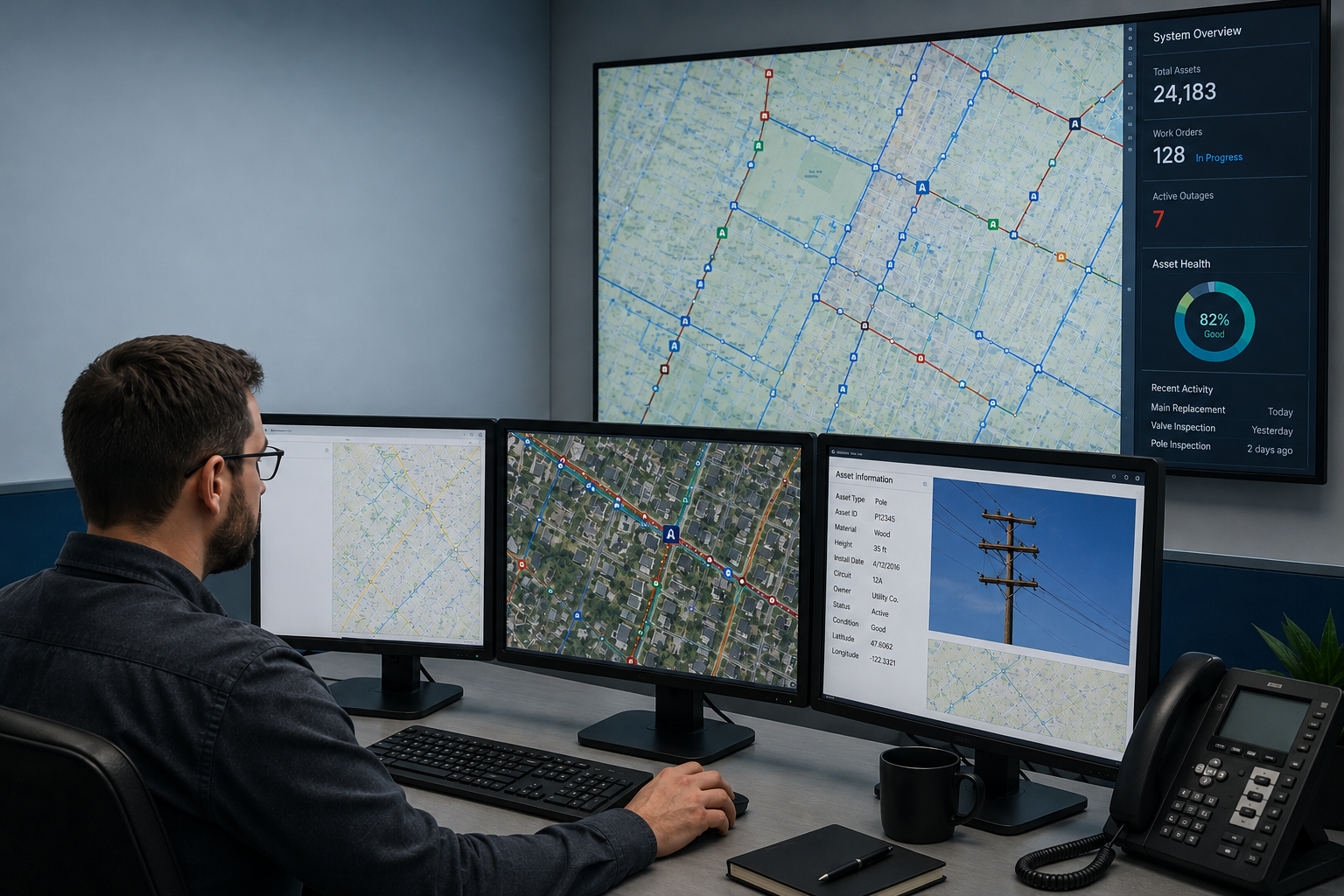
Locate assets, access infrastructure data, view service territories, and support restoration efforts with real-time visibility.
GIS mapping. Work orders. Asset monitoring. Crew communications. Field data collection.
Modern utility operations depend on data moving between crews, assets, applications, and command centers. When communications fail, visibility disappears and response times slow down.
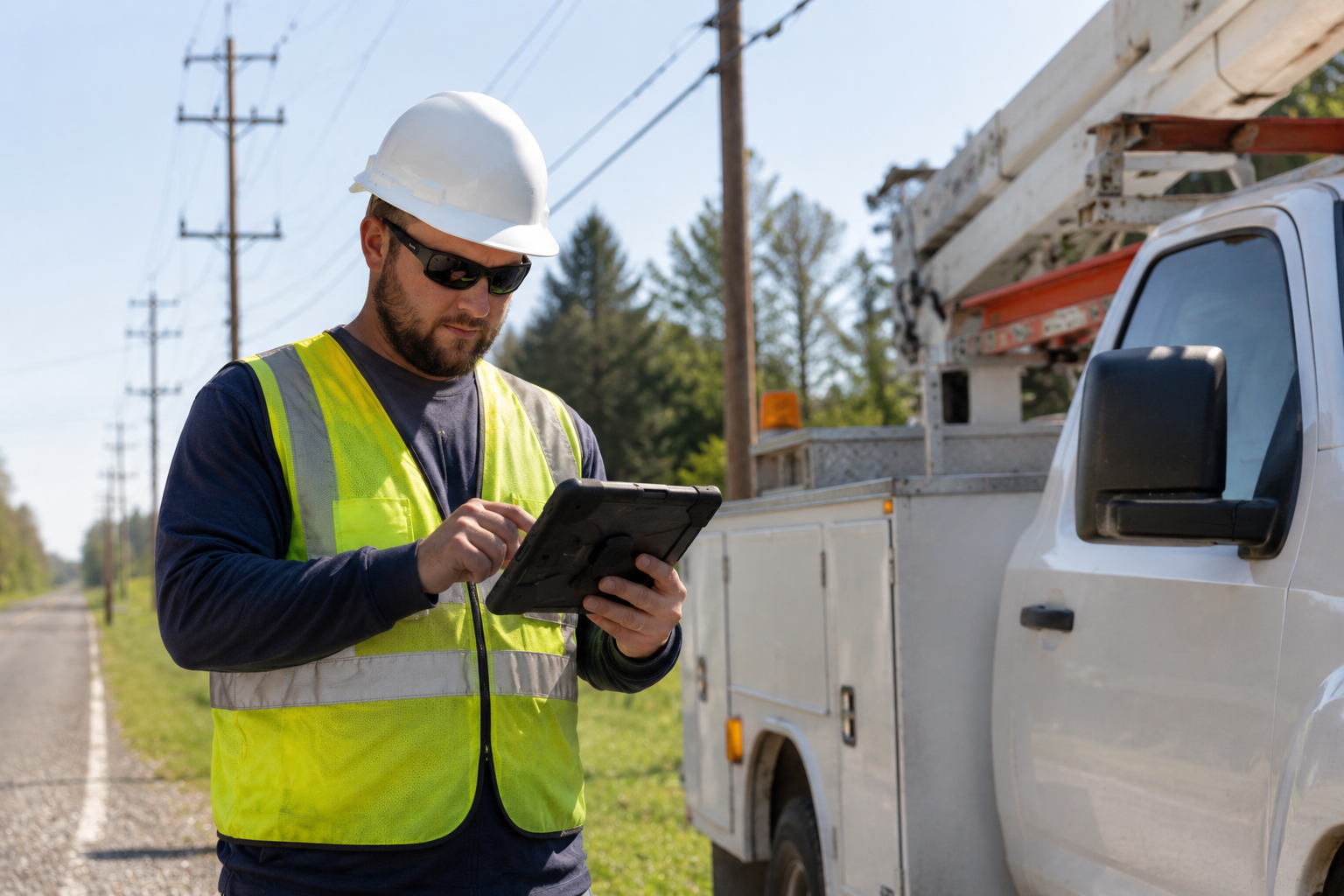
Modern utility operations depend on data moving between crews, assets, applications, and command centers.
Fiber outages, severe weather, network congestion, and remote service territories can affect the systems utility teams rely on most — including GIS mapping, work orders, asset monitoring, crew communications, and field data collection.
Modern utility operations rely on connected applications that help crews locate assets, complete work orders, monitor infrastructure, communicate in the field, and collect operational data in real time.
Locate assets, access infrastructure data, view service territories, and support restoration efforts with real-time visibility.
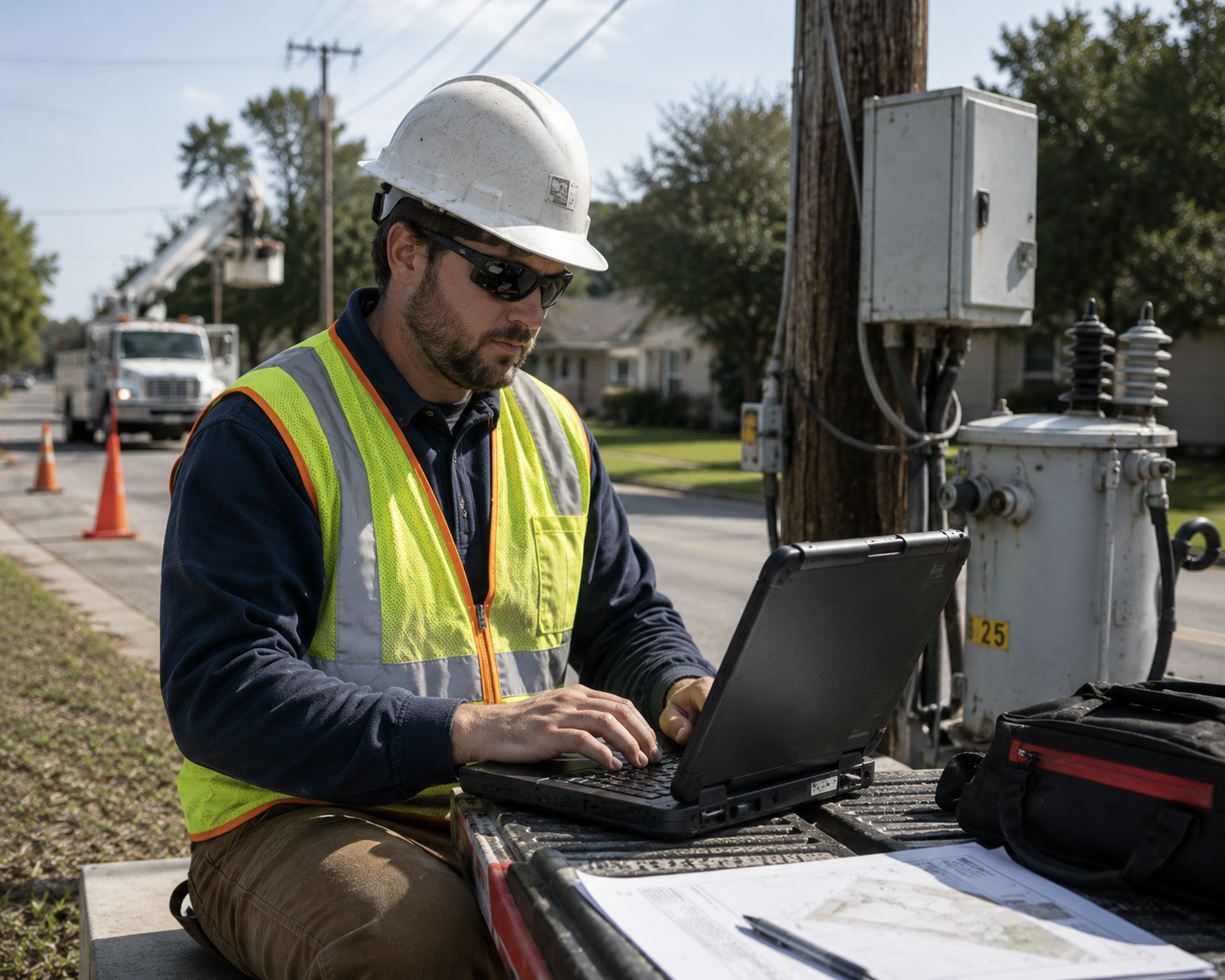
Receive assignments, update job status, complete inspections, and document repairs from anywhere in the field.
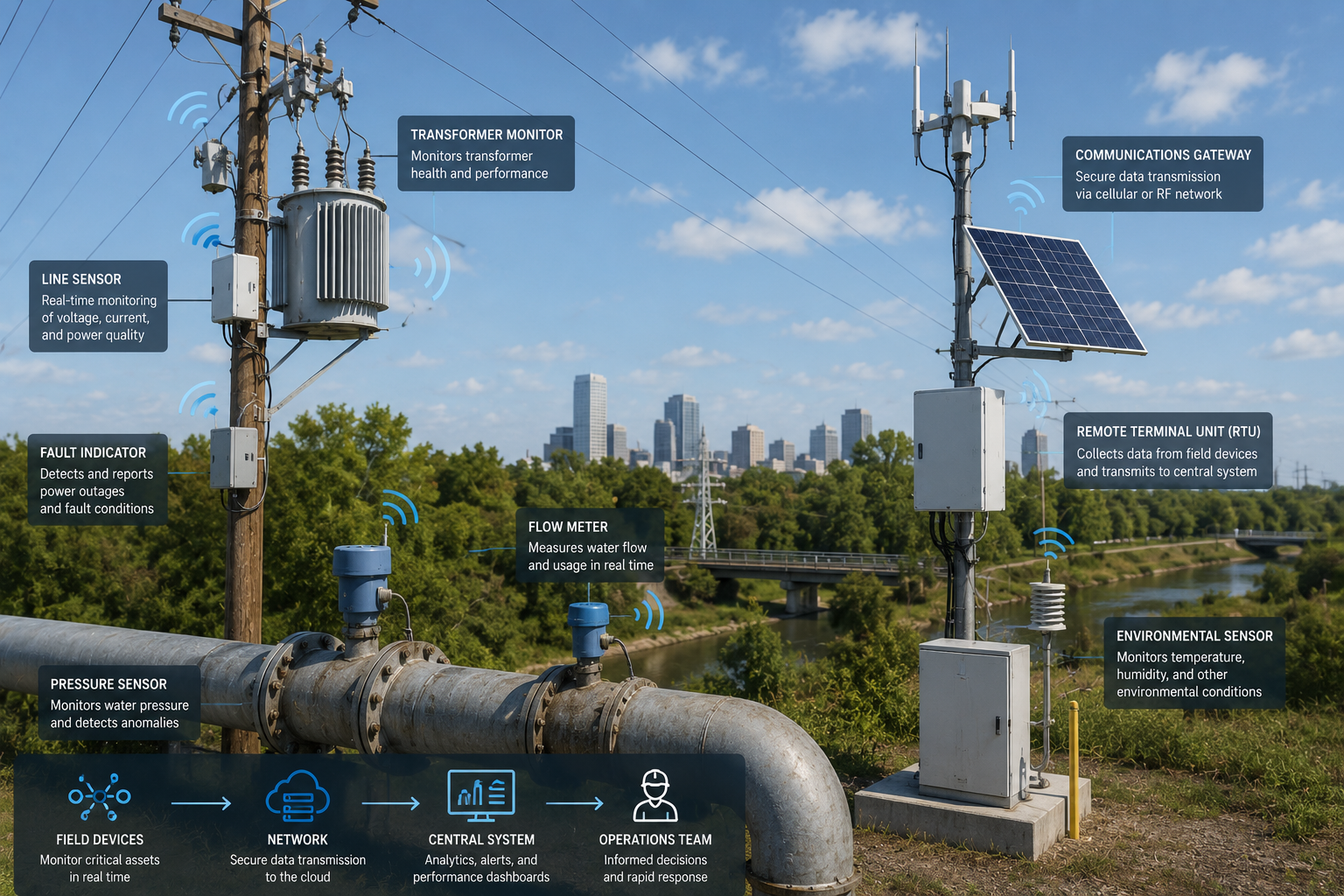
Maintain visibility into substations, sensors, renewable energy sites, pumping stations, and critical infrastructure.
Support voice, video, and operational communications during daily operations, outages, and emergency response.
Capture photos, inspections, compliance reports, and operational data that help drive faster decisions.
GIS platforms have become one of the most important operational tools in the utility industry. From locating assets and viewing service territories to accessing infrastructure records and restoration plans, crews rely on GIS data every day.
Whether responding to outages, conducting inspections, or maintaining critical infrastructure, field personnel need access to accurate information wherever work takes them.
When connectivity is interrupted, crews can lose access to the information they need most. Reliable communications help ensure GIS platforms remain available when and where they're needed.
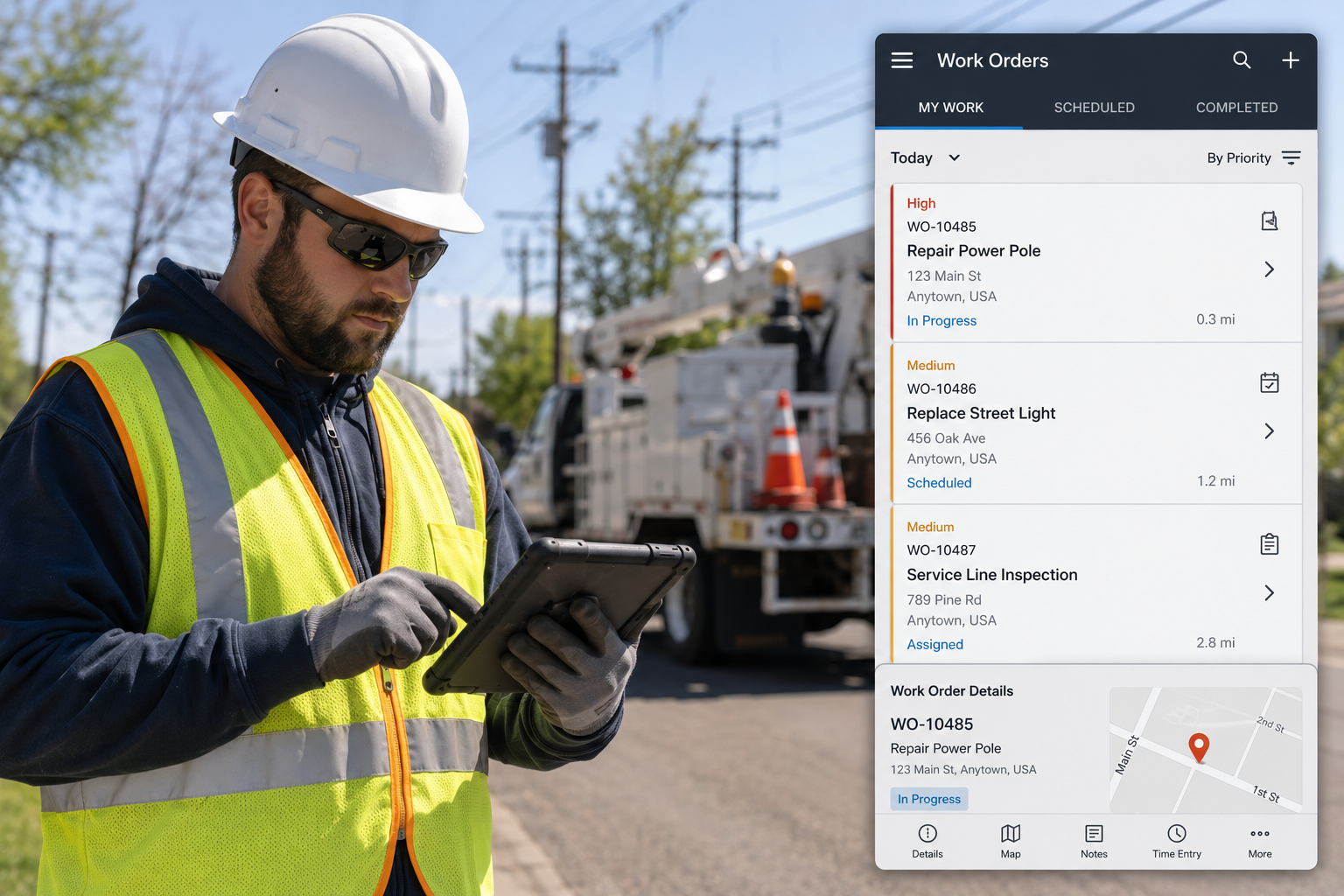
Utility crews depend on mobile work order systems to receive assignments, update job status, document repairs, and complete inspections from the field.
When connectivity is unreliable, dispatch teams lose visibility into job progress and crews may be forced to wait until they reconnect before submitting updates.
Resilient connectivity helps keep work orders moving, so field teams can stay productive and operations centers can maintain better visibility into active work.
Utilities manage critical infrastructure across large and often challenging service areas. Substations, pumping stations, renewable energy sites, sensors, cameras, and monitoring equipment all generate operational data that teams depend on.
When communications are disrupted, operations centers may lose visibility into the condition and performance of remote assets.
Multi-network connectivity helps utilities maintain access to asset data even when one communications path becomes unavailable.
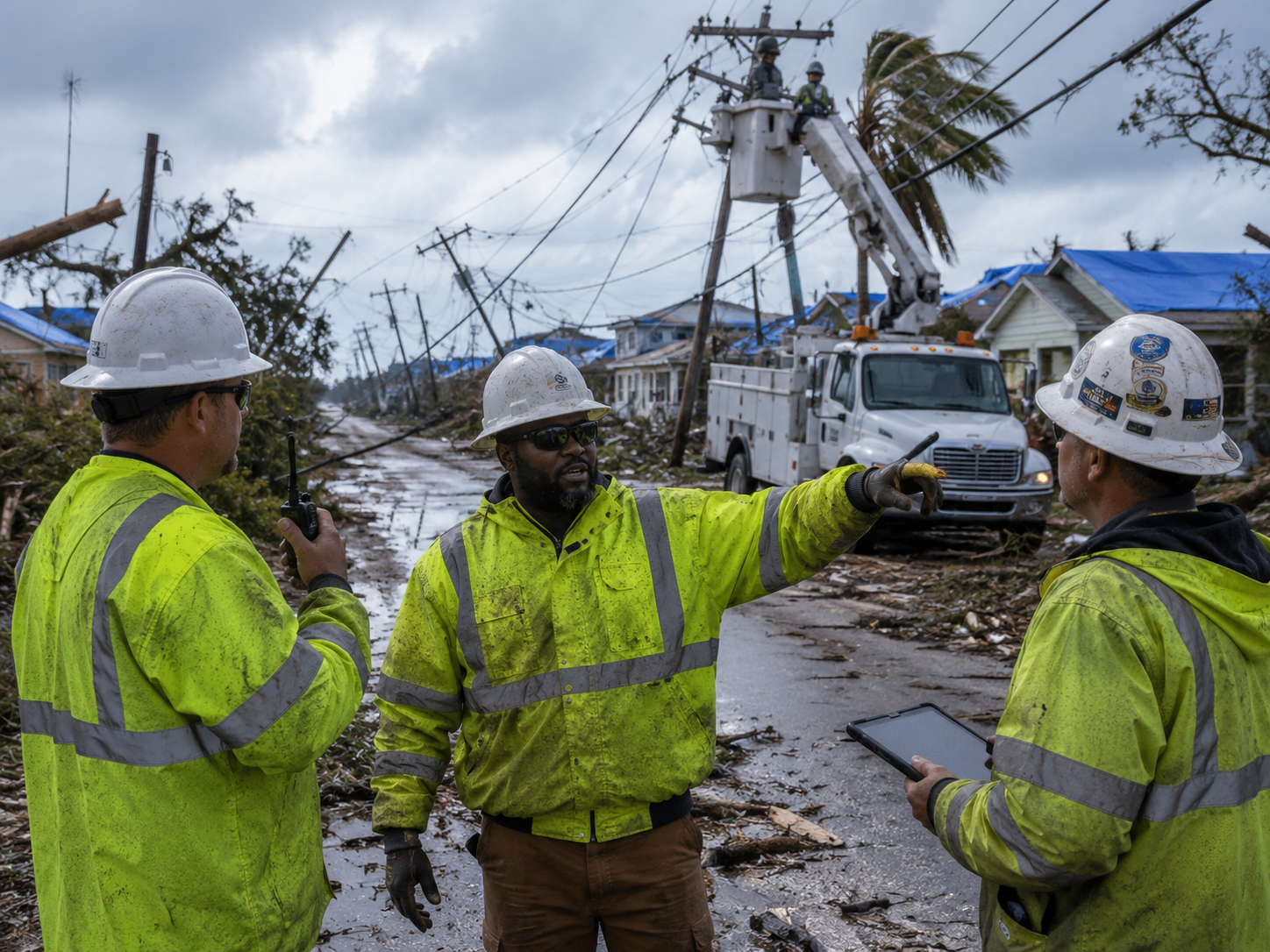
Utility organizations depend on constant coordination between field personnel, dispatchers, supervisors, contractors, and operations centers. During routine maintenance this improves efficiency. During storms, outages, and emergency response efforts, it becomes essential.
Whether crews are restoring power, assessing damage, repairing infrastructure, or coordinating resources, communication gaps can slow response efforts and impact operational awareness.
Resilient communications help ensure crews remain connected before, during, and after critical events, regardless of network conditions or infrastructure challenges.
Utility crews collect valuable information every day. From inspection reports and asset conditions to photographs, compliance documentation, and environmental observations, field data plays a critical role in maintaining infrastructure and supporting operational decision-making.
The faster this information reaches operations teams, engineers, and decision-makers, the faster organizations can respond to issues, allocate resources, and improve service reliability.
Reliable connectivity helps ensure critical field information gets where it needs to go, supporting faster decisions and improving operational efficiency across the organization.
One utility organization recognized the risk of relying on a single communications path heading into hurricane season. Severe weather, fiber outages, damaged infrastructure, and network congestion can all impact operational visibility at the exact moment utility teams need it most.
To strengthen business continuity, the organization implemented a blended connectivity strategy utilizing multiple independent communications paths and deployable communications assets designed to support operations before, during, and after a major event.
Maintain operational visibility when terrestrial infrastructure experiences disruptions.
Reduce dependence on a single provider, network, or communications path.
Support field operations and emergency response teams operating away from fixed infrastructure.
Utility organizations operate across cities, rural service territories, remote infrastructure sites, and storm-affected areas. A resilient communications strategy brings multiple connectivity paths together so critical applications can remain available when one network becomes unavailable.
By combining terrestrial, cellular, satellite, and private wireless networks, utilities can reduce dependence on a single provider or infrastructure path.
This helps support the applications that field crews and operations centers depend on every day, including GIS mapping, work orders, asset monitoring, crew communications, and field data collection.
Utility organizations often operate across vast geographic areas, remote infrastructure sites, and environments where traditional communications networks may be limited or disrupted. Maintaining operational visibility across these locations remains a common challenge.
Supporting crews operating far beyond traditional network coverage areas.
Maintaining communications before, during, and after storms.
Reducing operational impact when terrestrial infrastructure is disrupted.
Ensuring critical applications remain accessible during high-demand events.
Supporting substations, pumping stations, sensors, and monitoring equipment.
Providing communications for restoration efforts and field operations.
Rapidly establishing connectivity for planned and unplanned operations.
Keeping crews connected while working across large service territories.
From fixed infrastructure to mobile crews and deployable field operations, resilient connectivity helps keep essential utility applications available.
IP Access International helps utility organizations design, deploy, and support resilient connectivity solutions for fixed sites, mobile fleets, emergency response, remote infrastructure, and field operations.