
Why You Should Test Connectivity Before You Need It
Your network might work today. But will it still perform when the stakes are highest?
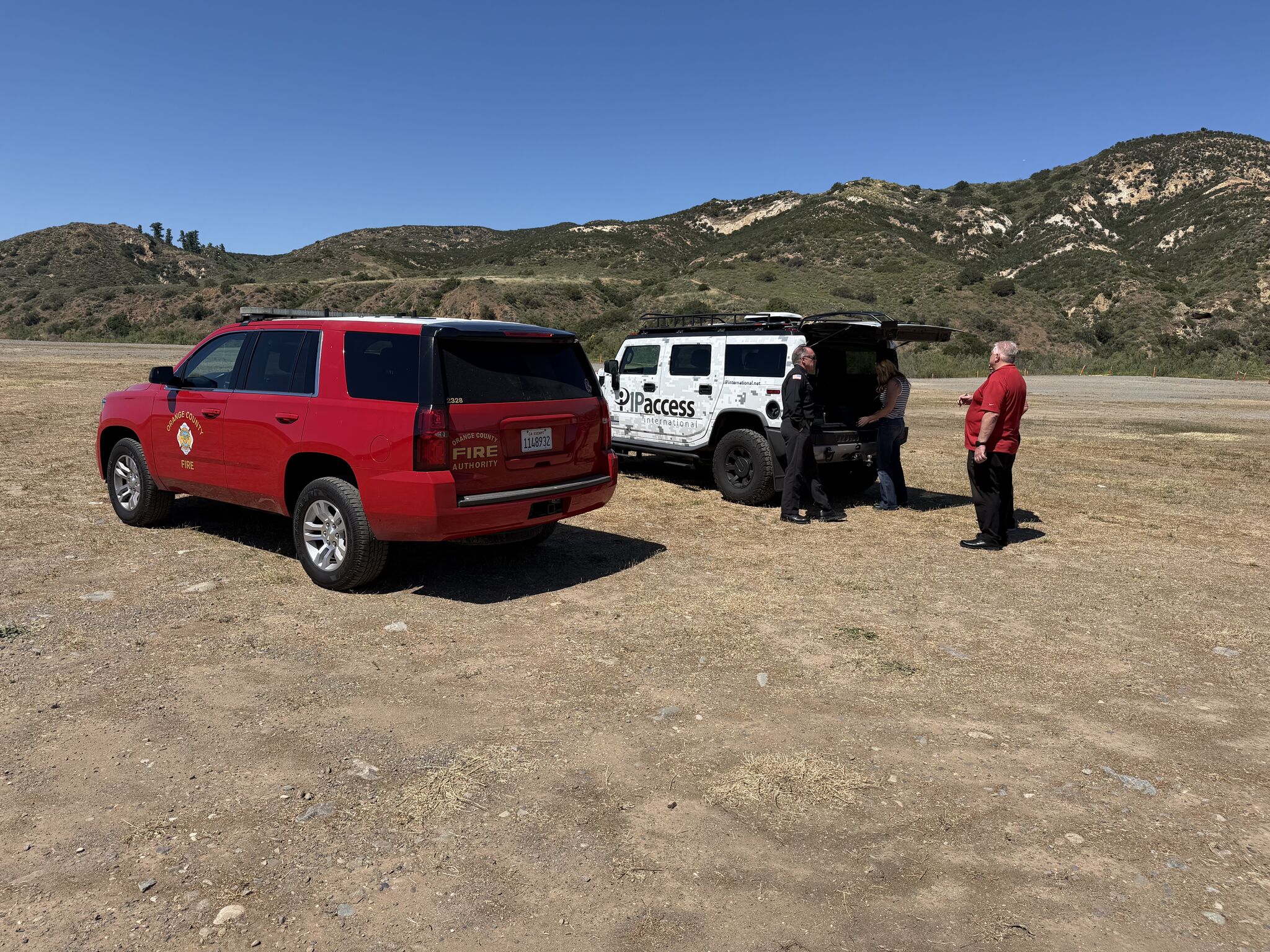 Real-world testing helps organizations understand how connectivity performs before teams depend on it during critical operations.
What You’ll Learn
Connectivity should be validated before operations depend on it.
The Reality
Most organizations find the weak spots when it is already too late.
Communications issues rarely wait for a convenient moment. They show up during wildfires, hurricanes, public events, remote deployments, extended outages, utility restoration, incident response, or mobile operations where coverage is not what everyone expected.
The problem is not always that connectivity disappears completely. More often, it degrades in ways that interrupt critical applications, delay information, reduce visibility, or make communications unreliable when teams need them most.
That is why connectivity should not only be deployed. It should be tested.
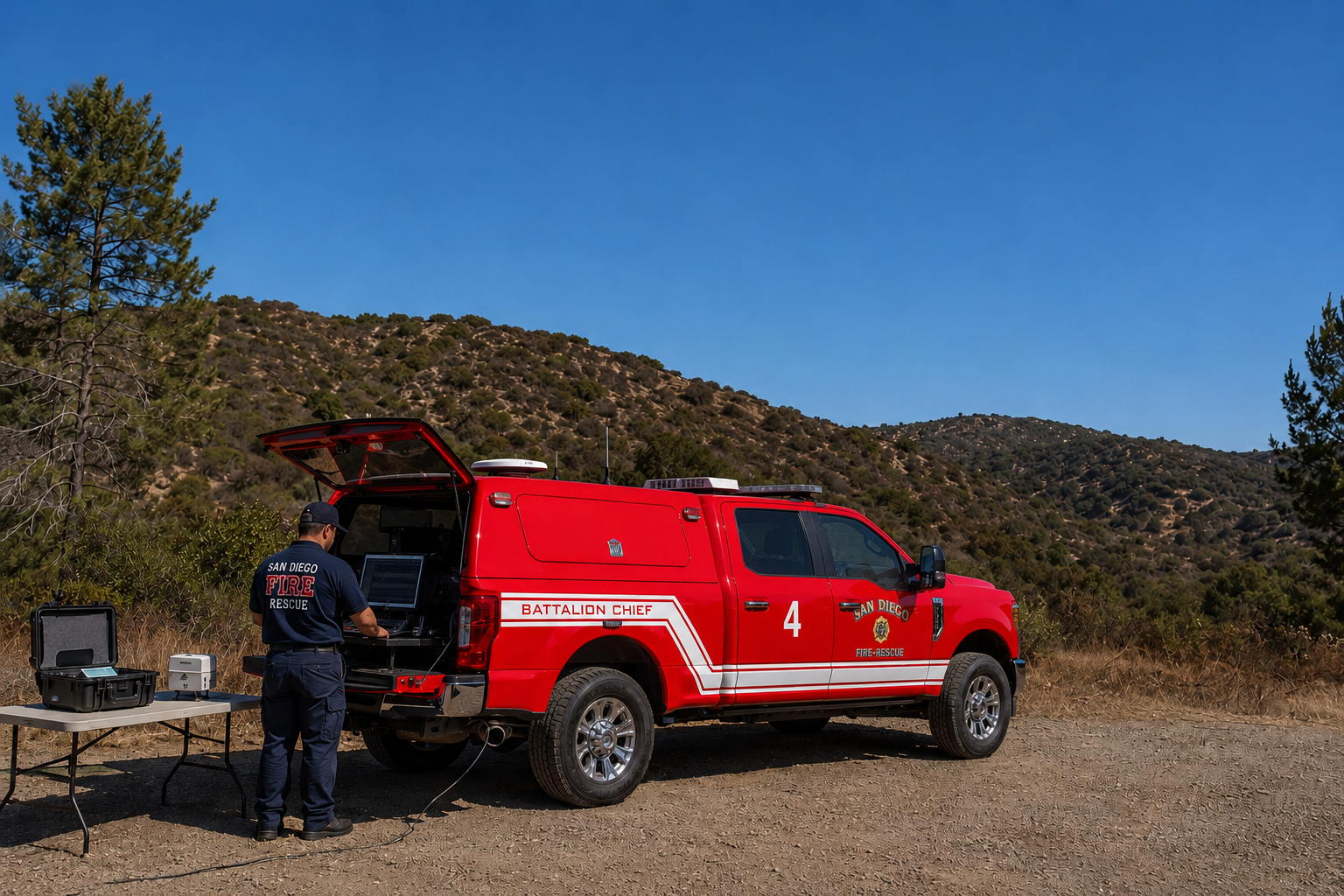
Testing should not just confirm your network works. It should reveal where it does not.
Real-world testing gives teams a clearer understanding of how their communications perform under pressure, not just under ideal conditions.
Beyond Speed Tests
Lab results rarely tell the whole story.
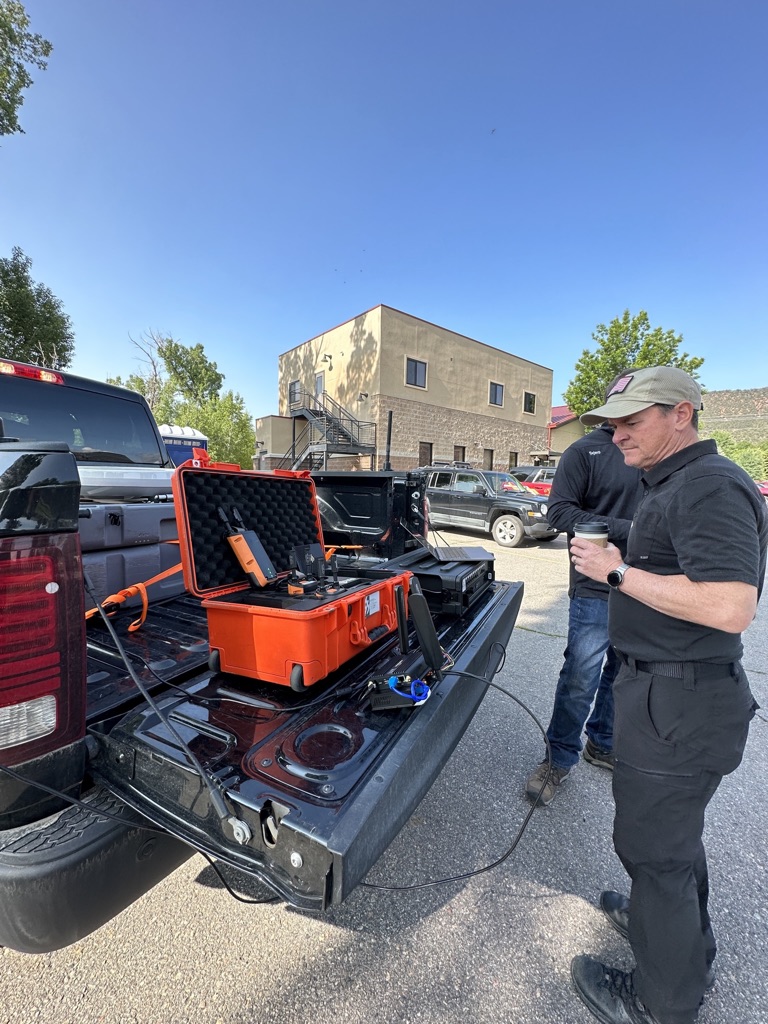
Many connectivity solutions are evaluated using speed tests in ideal conditions. Those numbers can be useful, but they rarely reflect what happens in the field.
Real deployments are affected by vehicle movement, terrain, weather, network congestion, antenna placement, carrier handoffs, satellite visibility, and competing application traffic.
Testing in those conditions provides a much clearer picture of how a network will actually perform when teams are working.
Applications Matter
Test the tools your teams actually use.
One of the biggest mistakes organizations make is assuming that if a device has internet access, every application will perform well.
A connection may look “fast” on a basic speed test but still struggle with real-time communications, video, mapping, voice, or cloud-based tools.
Location Matters
Test where communications are most likely to be challenged.
Every organization has locations where connectivity behaves differently. Rural highways, mountain roads, substations, industrial campuses, airports, parking garages, urban canyons, and large venues can all create unique performance challenges.
Testing these environments before an emergency helps identify coverage gaps, application issues, antenna placement concerns, and opportunities to improve resiliency.

Operational Conditions
Test the network while it is being used, not while it is quiet.
Connectivity should not only be tested when everything is calm. Organizations should evaluate performance while multiple users are connected, video is streaming, files are uploading, voice traffic is active, vehicles are moving, and satellite and cellular links are changing.
These scenarios better represent real deployments than isolated speed tests.
They also help teams understand how network performance changes when demand increases, conditions shift, or multiple applications are competing for the same connection.
Before Your Next Deployment
Use testing to build confidence before the next incident.
Testing is not only about finding problems. It is about understanding how your communications perform before teams are relying on them.
Evaluate performance during vehicle movement, handoffs, and changing coverage conditions.
Validate CAD, AVL, video, voice, mapping, and cloud-based systems.
Compare cellular, satellite, and available network options under different conditions.
Simulate multiple users, active traffic, uploads, streaming, and operational workflows.
Validate remote, rural, congested, obstructed, and high-priority environments.
Revisit performance after vehicle upgrades, software changes, new applications, or network updates.
Final Thought
The next incident is not the time to discover what your network cannot do.
Connectivity is no longer just about whether a device can get online. It is about whether your people, vehicles, applications, and operations can continue communicating when conditions become unpredictable.
By testing in real-world environments and validating performance over time, organizations gain valuable insight into how their networks will respond when reliability matters most.
Continue Reading
Explore related connectivity resources.
Explore connectivity solutions built for vehicles, command operations, and teams on the move.
Managed Connectivity SuperGIG™Learn how IP Access supports resilient connectivity across cellular, LEO, GEO, and more.
Talk to an Expert Evaluate Your StrategyConnect with our team to discuss your operational requirements and connectivity goals.
Need help understanding how your connectivity performs in the real world?
IP Access International helps organizations evaluate, design, and support connectivity for mobile teams, remote sites, command operations, utilities, public safety, healthcare, transportation, and critical infrastructure.
Talk to an Expert