
How Do Fire Apparatus Stay Connected Outside Cellular Coverage?
A fire apparatus can move beyond reliable cellular coverage before it reaches the scene. Multiple carrier connections and LEO satellite give crews more ways to reach essential applications across their response area.
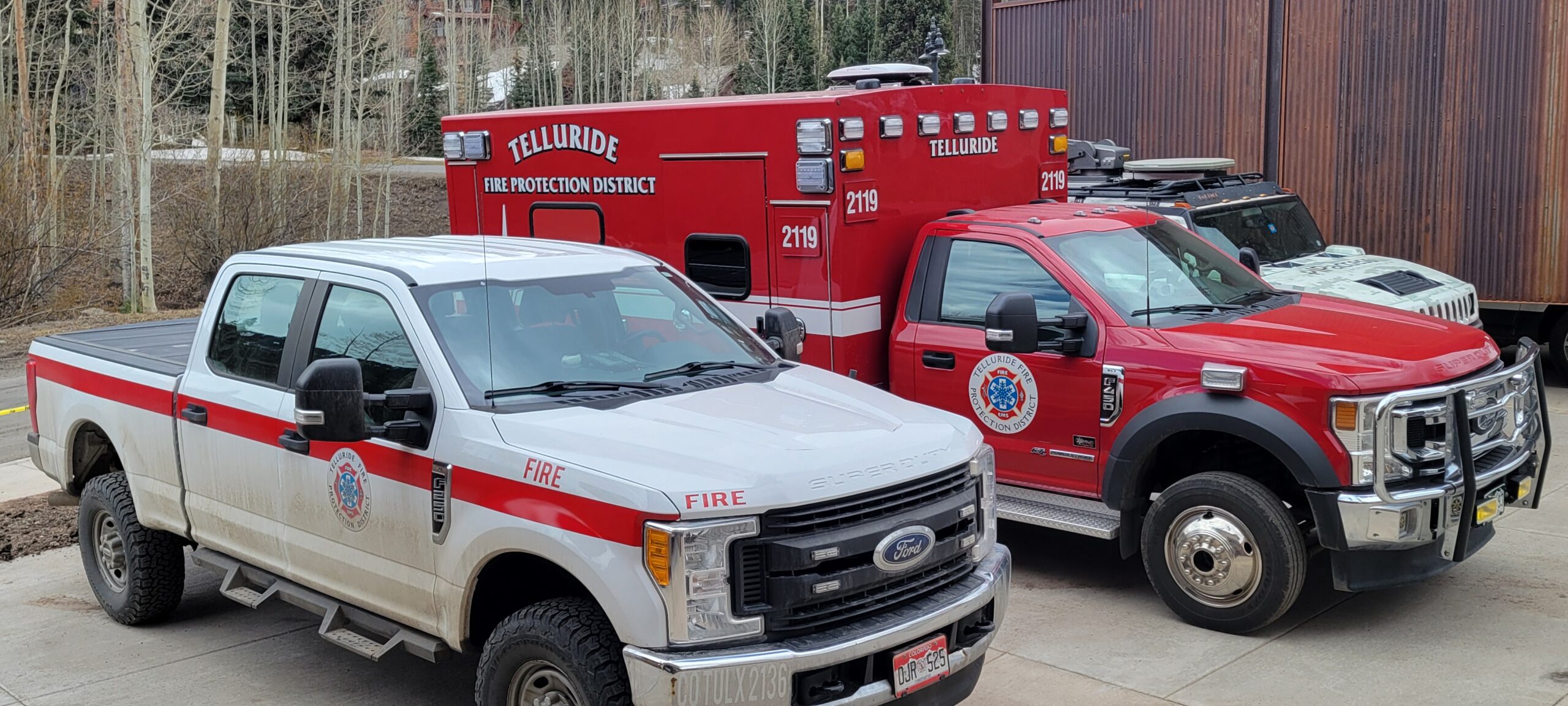
Fire crews do not choose incident locations based on coverage maps. A vehicle may travel through remote roads, steep terrain or a storm-damaged area where its usual cellular connection becomes unreliable.
At the same time, the apparatus may need access to dispatch updates, mapping, incident information and other connected tools. Keeping those applications available calls for a network designed around the full response area, including the places where towers cannot provide a usable path.
What Needs to Work on the Apparatus?
Before selecting hardware, identify the applications the vehicle supports and how critical each one is during response and on scene. A connected apparatus may support:
- Computer-aided dispatch (CAD)
- Automatic vehicle location (AVL)
- Mapping and routing
- Incident plans and cloud applications
- Wi-Fi for authorized personnel
- Compatible IP-based radio extension
These uses have different bandwidth and timing needs. Understanding them helps the agency size the system and determine which functions must remain available when a connection degrades.
How Cellular and LEO Satellite Work Together
Multiple cellular carriers improve the chances of finding a usable connection along a route. Coverage and performance vary by carrier and location, so the vehicle can benefit from having more than one cellular path available.
When those networks are limited or unavailable, a vehicle-mounted low Earth orbit (LEO) satellite terminal can add a path that does not depend on a nearby cell tower. Satellite connectivity can also provide infrastructure diversity during some terrestrial disruptions.
Coverage across the route
Multiple carriers give the vehicle more network options where terrestrial service is available.
Reach beyond the towers
A space-based path can support the vehicle where cellular service is limited, subject to sky visibility and the deployment design.
The useful outcome is a single vehicle network that can evaluate available paths in real time. SuperGIG™ brings supported cellular, satellite and other connections into a managed environment, with Smart Blending Technology assessing connection quality as conditions change.
The Installation Matters as Much as the Service
A satellite terminal needs suitable sky visibility. Trees, terrain, structures and vehicle position can affect it. The antenna must also fit the apparatus, its roof equipment and the way the vehicle will be used. Power, cabling, Wi-Fi coverage and data capacity should be planned as part of the same installation.
Agencies should evaluate the system while the vehicle is moving and parked at likely incident locations. A stationary test at the station cannot show how the complete network performs across a response area.
Broadband does not replace the fire department’s land mobile radio. With compatible gateways and an appropriate system design, a connected vehicle may also help extend existing radio communications over IP. That capability requires its own planning and field testing.
Connected Battalion Chief Vehicles in San Diego
IP Access deployed SuperGIG™ on 11 San Diego Fire-Rescue Battalion Chief vehicles and a mobile command truck, bringing cellular and OneWeb LEO connectivity into daily field operations. The deployment supports connected applications including CAD, AVL, mapping, video and field communications.
The example shows why agencies should evaluate connectivity as an operating system for the vehicle, rather than as a standalone satellite terminal. Read the San Diego Fire-Rescue case study →
Test the Network Where Crews Actually Respond
Map known coverage gaps and identify the routes, incident areas and applications that matter most. Then test the complete installation in motion and on scene. Include obstructed sky conditions, network changes, power needs and the number of users expected to connect near the apparatus.
A good plan also defines who monitors the service, who supports the crew when something goes wrong and how the equipment will be checked between incidents. The goal is to give personnel a connection they understand and can depend on in the field.
Fire Apparatus Connectivity FAQ
Can a fire apparatus use satellite while moving?
It can when the selected service, terminal, installation and plan support use in motion. Agencies should verify the configuration and test it along actual response routes.
Will satellite work when there is no cell service?
LEO satellite can provide another broadband path where cellular networks are unavailable. It still needs power, an appropriate service plan and a sufficiently clear view of the sky.
Does broadband replace the fire radio?
No. Land mobile radio remains a core communications system. With compatible equipment and appropriate design, IP connectivity may help extend radio reach in some circumstances.
Where Does Your Fire Fleet Lose Connectivity?
Tell us where your crews operate and which applications must stay available. We can help evaluate the cellular, satellite and vehicle network design that fits the mission.